
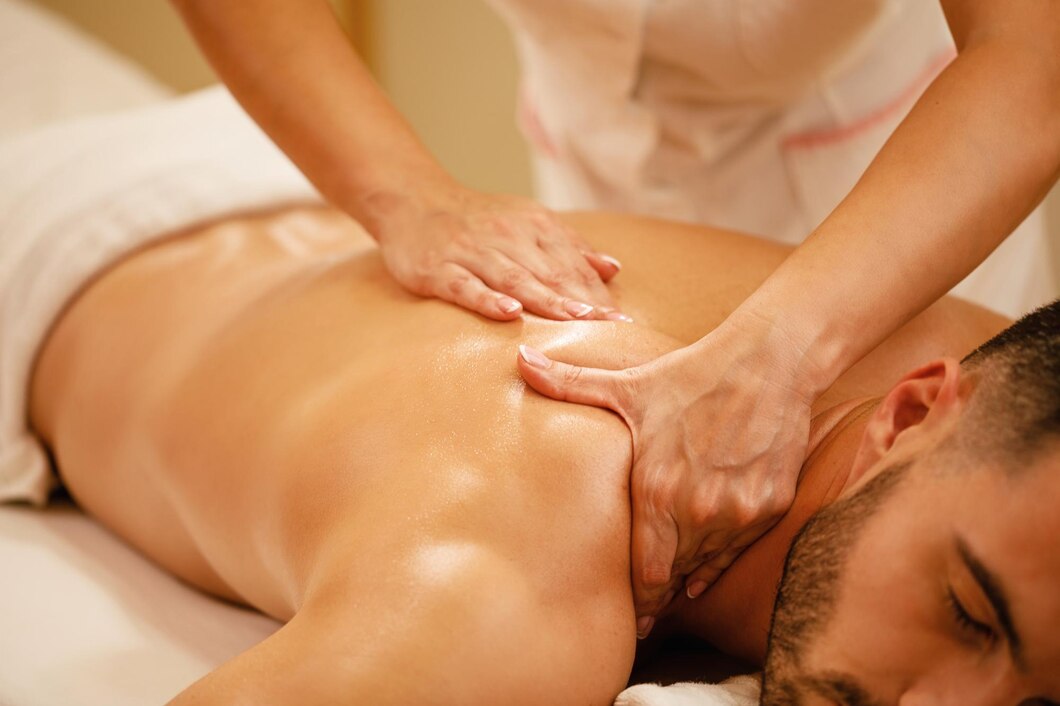
Chronic pain affects millions of people every day. Stress makes everything worse. Your shoulders feel tight. Your back aches constantly. You wake up tired even after sleeping.
Many people turn to massage therapy for relief. But walking into a spa or clinic can feel overwhelming. Swedish massage, deep tissue, hot stone, sports massage, the options seem endless. How do you know which one will actually help?
The answer depends on what you’re dealing with. Different massage types target different problems. Understanding these differences helps you choose the right treatment.
Whether you’re searching for relief in Massage Fort Lupton CO, knowing your options makes all the difference.
What’s the Difference Between Massage Types?
Not all massages work the same way. Each style uses specific techniques for specific goals.
Swedish massage focuses on relaxation. Deep tissue targets chronic pain. Sports massage helps athletes recover. Hot stone therapy combines heat with pressure.
The techniques differ too. Some use long, flowing strokes. Others apply intense pressure to specific spots. Some incorporate tools like heated stones or essential oils.
Your choice should match your needs. Relaxation requires different techniques than pain relief. Let’s break down the most common types and what they do best.
Swedish Massage: The Relaxation Champion
Swedish massage is the most popular style in America. It’s what most people picture when they think about getting a massage.
How Swedish Massage Works
Therapists use five basic techniques. Long, gliding strokes warm up muscles. Kneading motions release surface tension. Circular movements improve blood flow. Tapping stimulates nerves. Gentle shaking relaxes tight areas.
The pressure stays light to medium throughout. This gentle approach makes Swedish massage comfortable for almost everyone.
Sessions typically cover your whole body. You start face down or face up and flip halfway through. The therapist works on your back, legs, arms, neck, and shoulders.
What Swedish Massage Helps With
This style excels at stress relief. According to a 2024 survey by the American Massage Therapy Association, 95% of people consider massage beneficial for health and wellness. The gentle techniques calm your nervous system and lower stress hormones.
Swedish massage also helps with mild muscle tension from daily activities. Sitting at a desk all day creates tightness in your neck and shoulders. Light exercise can leave muscles feeling sore. Swedish techniques address these minor issues effectively.
Other benefits include improved circulation, better sleep quality, and enhanced mood. If you hold tension from stress rather than injury, this style works wonderfully.
Who Should Choose Swedish Massage
Pick Swedish massage if you want to unwind and relax. It’s perfect for people new to massage therapy. The gentle pressure feels comfortable and soothing.
This style also works well for stress management. A recent Gallup report found that 49% of Americans experience frequent stress. Swedish massage provides relief without intense pressure.
Avoid Swedish massage if you have chronic pain or deep muscle knots. The light pressure won’t reach problem areas effectively. You’ll need something stronger.
Deep Tissue Massage: The Pain Fighter
Deep tissue massage takes a completely different approach. It targets the inner layers of muscles and connective tissue.
How Deep Tissue Works
Therapists use slow, deliberate strokes with firm pressure. They work layer by layer, gradually reaching deeper muscles. Fingers, knuckles, and sometimes elbows apply concentrated pressure to problem areas.
The session starts with lighter techniques to warm muscles. Once tissues relax, pressure increases significantly. Therapists focus on specific areas rather than your whole body.
This intense approach can feel uncomfortable during treatment. You might experience some soreness the next day. But the discomfort shouldn’t cross into actual pain.
What Deep Tissue Helps With
This massage style tackles chronic pain conditions. Research shows moderate evidence supporting deep tissue for chronic low back pain, fibromyalgia, and neck pain.
The technique breaks up scar tissue from old injuries. It releases chronic muscle tension caused by tight, knotted muscles. Athletes use it for recovery after intense training.
Deep tissue also helps with postural problems. Years of poor posture create lasting muscle tension. The firm pressure helps realign these deep tissues.
According to data from multiple studies, deep tissue massage shows benefits for chronic conditions that Swedish massage can’t address. The targeted pressure reaches areas that gentle techniques miss.
Who Should Choose Deep Tissue
Choose deep tissue if you have ongoing pain that won’t go away. Chronic back pain, persistent neck stiffness, and old injuries all respond well to this treatment.
Athletes and highly active people benefit from deep tissue work. It speeds recovery and prevents injuries. Runners, weight lifters, and sports players often prefer this style.
People who like firm pressure also gravitate toward deep tissue. If light touch feels ineffective, you’ll appreciate the stronger approach.
Skip deep tissue if you’re new to massage. The intense pressure might feel too uncomfortable. People with certain health conditions should also avoid it. Blood clots, recent surgery, and very sensitive skin make deep tissue risky.
How Do You Choose Between Them?
The right choice depends on your specific situation and goals.
Consider Your Pain Level
Mild tension and stress respond well to Swedish massage. The gentle techniques release surface tightness and calm your nervous system.
Chronic pain needs deep tissue work. If you’ve dealt with pain for months or years, superficial techniques won’t help. You need pressure that reaches deep muscle layers.
Think About Your Comfort Level
Swedish massage feels comfortable for almost everyone. First-timers appreciate the gentle approach. People with touch sensitivity do better with lighter pressure.
Deep tissue can feel intense. Some people find it uncomfortable during treatment. If you have a low pain tolerance, start with Swedish and gradually build up.
Evaluate Your Stress Levels
Pure stress relief calls for Swedish massage. The relaxing strokes and gentle pressure work better for mental relaxation. Your mind calms down along with your body.
Stress that creates physical symptoms might need deep tissue. If stress causes chronic headaches, tight shoulders, or back pain, the stronger pressure addresses these physical manifestations.
What About Other Massage Types?
Beyond Swedish and deep tissue, several other styles offer specific benefits.
Hot Stone Massage
Therapists place heated stones on key points of your body. The warmth relaxes muscles before massage begins. This combination works well for mild tension and stress relief.
Hot stone sessions typically cost $85 to $160 for 60 minutes. The heat helps muscles relax faster than massage alone.
Sports Massage
This style focuses on preventing and treating injuries. Therapists use techniques tailored for athletes and active individuals.
Sports massage improves flexibility and enhances performance. Sessions cost $75 to $125 for one hour. Active people often schedule regular sports massages as part of their training.
Aromatherapy Massage
This approach combines Swedish techniques with essential oils. Different oils target different issues. Lavender promotes relaxation. Peppermint energizes. Eucalyptus clears breathing.
The oils absorb through your skin or diffuse into the air. Aromatherapy sessions run $80 to $130 for one hour.
Trigger Point Therapy
This specialized technique focuses on specific knots called trigger points. These tight spots cause pain that radiates to other areas.
Therapists apply concentrated pressure to release these points. The technique works well for chronic headaches and referred pain. It’s often incorporated into deep tissue sessions.
How Much Does Massage Therapy Cost?
Understanding pricing helps you budget for regular treatment.
Standard Session Costs
According to recent industry data, massage costs vary significantly by location and type. A 60-minute session typically ranges from $60 to $150.
Swedish massage sits on the lower end, around $60 to $120 per hour. Deep tissue costs more due to specialized training, usually $80 to $130 for 60 minutes.
Location affects pricing dramatically. Urban areas charge more than rural regions. A session in New York City might cost $135, while the same treatment in smaller towns runs $75.
Session Length Options
Most places offer multiple time options. A 30-minute session focuses on one specific area and costs $30 to $65. This works well for targeted treatment of one problem spot.
Sixty-minute sessions provide comprehensive full-body work. This is the most common choice. Ninety-minute sessions allow for deeper work and cost $90 to $175.
Two-hour sessions give therapists time for very thorough treatment. These extended sessions work best for severe chronic pain requiring extensive attention.
Ways to Save Money
Many therapists offer package deals. Buying multiple sessions upfront typically saves 10% or more. This makes regular treatment more affordable.
Membership programs also reduce costs. Some practices charge a monthly fee for discounted sessions. If you need weekly or bi-weekly massages, memberships provide significant savings.
Massage schools often have student clinics. Licensed students perform treatments under professional supervision. These sessions cost much less than professional rates while still providing quality care.
How Often Should You Get Massage?
Frequency depends on your specific needs and goals.
For Chronic Pain
Chronic pain often requires consistent treatment. Many people start with weekly sessions. As symptoms improve, they space treatments to every two weeks, then monthly.
One study found that 60-minute massage sessions two to three times weekly for four weeks provided better chronic neck pain relief than fewer or shorter sessions.
Your therapist can help create a treatment plan. Track how long relief lasts after each session. This information guides scheduling decisions.
For Stress Management
Stress relief requires less frequent treatment than chronic pain. Many people schedule monthly massages for stress management. This provides regular relaxation without major time or financial commitment.
Some prefer bi-weekly sessions during particularly stressful periods. Listen to your body and adjust frequency based on your stress levels.
For Maintenance
Once you’ve addressed initial problems, maintenance sessions keep issues from returning. Most people switch to monthly sessions for maintenance.
Athletes might need more frequent work during training seasons. Others find that quarterly sessions maintain their results.
What Should You Tell Your Therapist?
Communication ensures you get the treatment you need.
Before Your Session
Share your medical history honestly. Mention any injuries, surgeries, or ongoing health conditions. Some conditions affect which techniques therapists can safely use.
Explain your main concerns. What hurts? Where exactly? When did it start? How severe is the pain? This information helps therapists target problem areas.
Discuss your pressure preferences. Do you like light touch or firm pressure? Have you had massage before? What did you like or dislike about it?
During Your Session
Speak up if anything feels wrong. Too much pressure? Not enough? Temperature uncomfortable? Good therapists want this feedback.
Mention if you feel pain. Massage shouldn’t hurt, even deep tissue work. Discomfort is normal, but sharp pain signals a problem.
Ask questions if you’re curious about techniques. Most therapists enjoy explaining what they’re doing and why.
After Your Session
Notice how you feel over the next few days. Does pain decrease? Does relief last? Share this information at your next appointment.
Report any unexpected reactions. Unusual soreness, headaches, or other symptoms might indicate technique adjustments are needed.
Are There Risks or Side Effects?
Massage is generally very safe, but some situations require caution.
Common Side Effects
Mild soreness after deep tissue massage is normal. Your muscles worked hard during treatment. This soreness usually fades within a day or two.
Some people feel tired after massage. Your body released tension it held for a long time. Rest and drink plenty of water.
Increased urination can occur as your lymphatic system clears waste products. This is actually a good sign that treatment is working.
When to Avoid Massage
Don’t massage inflamed or infected areas. This can spread infection or worsen inflammation.
People with blood clots should avoid massage. The pressure could dislodge clots and cause serious problems.
Recent surgery sites need time to heal first. Check with your doctor before scheduling massage after any surgical procedure.
Certain skin conditions make massage inadvisable. Open wounds, rashes, or severe bruising all require avoiding the affected areas.
Pregnant women should seek therapists trained in prenatal massage. Regular massage techniques aren’t safe for all stages of pregnancy.
Finding a Qualified Therapist
Always choose licensed massage therapists. Every state has different requirements, but licenses ensure minimum training standards.
Ask about specialized training. Therapists who’ve studied chronic pain management or specific techniques often provide better results for those conditions.
Check reviews and ask for recommendations. Other people’s experiences provide valuable insights into a therapist’s skill and approach.
Making Your Decision
Choosing the right massage type transforms your experience from pleasant to truly helpful.
Start by identifying your primary goal. Do you need stress relief or pain management? Relaxation or injury recovery? Your answer points you toward the right style.
Don’t hesitate to communicate with your therapist. They can blend techniques or adjust pressure mid-session. The best therapists customize every treatment to your needs.
Track your results over multiple sessions. What works for someone else might not work for you. Pay attention to what your body responds to best.
Remember that massage therapy works best as part of a broader wellness plan. Combine it with exercise, proper sleep, stress management, and good nutrition.
Whether you choose Swedish relaxation or deep tissue therapy, regular massage provides measurable benefits. According to research, massage helps with pain relief, stress reduction, and overall wellbeing. The key is finding the right type and therapist for your specific needs.
Take time to explore your options. Ask questions. Try different approaches. Your body will tell you what works best. With the right massage therapy, chronic pain and stress become manageable rather than overwhelming parts of daily life.