
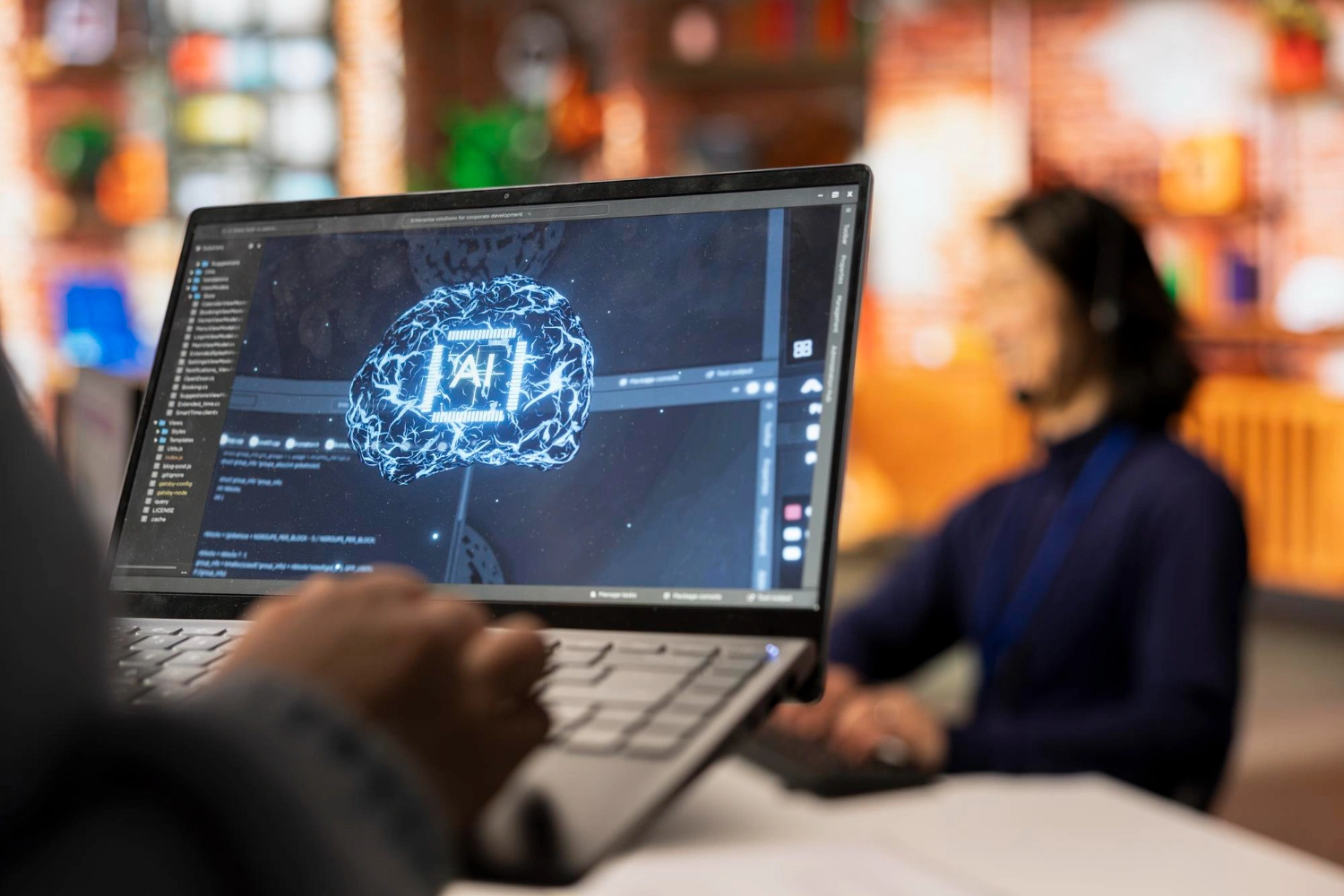
Students, marketers, and researchers—almost everyone now uses an AI tool for writing and research. A few years ago, people mostly relied on AI tools for quick answers. Today, these AI tools can draft essays, explain complex technical topics, and even help shape business ideas.
Two names show up constantly in discussions: ChatGPT and Grok 3.
Both promise smart responses and fast writing support. Still, people keep asking the same question. Which one actually produces better results? The answer depends on what someone expects from an AI assistant.
Table of Contents
ChatGPT and Its Writing Strength
ChatGPT built its reputation around writing quality. Ask it for explanations, essays, or summaries and the output usually sounds structured and easy to follow.
Students often rely on it for research drafts. The tool can explain complex ideas in simpler language, which helps when someone is stuck reading heavy academic material. It also handles long prompts well. If a user provides detailed instructions, the response tends to follow that structure closely.
Another thing people notice is tone control. ChatGPT can switch between casual explanations and formal academic writing without much trouble. That flexibility makes it useful for essays, reports, or study notes.
Some readers who want a deeper comparison between both systems explore resources like ChatGPT vs Grok 3, where different features and output quality are discussed in more detail.
Grok 3 Takes a Different Approach
Grok 3 entered the conversation with a different personality. It was designed to interact with real time data streams and social discussions more aggressively than traditional AI chat tools.
Because of that design, Grok 3 sometimes produces faster reactions to current events. People asking about trending news or online debates may receive fresher information.
The tone also feels slightly more informal. Responses sometimes carry humor or sarcasm. Some users enjoy that style. Others prefer the calmer, academic tone offered by ChatGPT.
Still, Grok 3 continues improving its reasoning ability. In technical discussions it can produce solid explanations when given clear instructions.
Accuracy and Research Support
Accuracy matters most for research tasks. Students writing essays need reliable explanations and structured answers.
ChatGPT generally performs well here. Its responses tend to stay organized and focused on the original prompt. When users request step-by-step explanations, the system usually delivers a clear progression of ideas.
Grok 3 can produce strong answers too, though the tone sometimes shifts toward commentary rather than explanation. That difference may not matter during casual use, yet it becomes noticeable when someone is writing an academic assignment.
We think this explains why many students still prefer ChatGPT for study related tasks.
Writing Style and Content Generation
Content creators care about writing flow. Blog posts, marketing text, and article drafts need a natural rhythm.
ChatGPT typically generates longer, more structured responses. Paragraphs connect smoothly and the overall message remains clear. For content writers working on multiple articles each week, this consistency helps.
Grok 3 often produces energetic responses. The wording can feel sharper, sometimes more conversational. That style works well for short social media content or quick explanations.
Different users prefer different tones. There is no single winner here.
Writer
AI tools assist with drafting, though some projects still require human experience. Long research papers, detailed reports, or full manuscripts often benefit from professional editing and structure planning.
Working with an experienced Writer can help students and professionals refine ideas into polished documents. Human writers understand context, argument development, and research presentation in ways automated tools still struggle to match.
Many people combine both approaches. AI handles early drafts or brainstorming, then human writers shape the final version.
Speed and User Experience
Speed influences how people judge AI tools. No one wants to wait for a response while working on an assignment.
ChatGPT responds quickly and usually provides detailed explanations in a single message. The interface feels stable, which helps during long writing sessions.
Grok 3 also performs fast, especially when responding to short prompts. Its connection with live discussion platforms gives it a sense of immediacy. Users asking about trending topics may appreciate that feature.
For structured writing tasks though, ChatGPT often feels more predictable.
Also Read : Can Walking Barefoot Really Help Your Circulation
Which Tool Performs Better in 2026?
The answer depends on what someone wants from an AI assistant.
Students writing research papers usually lean toward ChatGPT because of its structured explanations and smoother writing style. The responses tend to follow instructions carefully and remain easier to edit into academic work.
Grok 3 attracts users interested in fast reactions and lively conversation. Its responses can feel bold and entertaining, which suits social media discussions or quick information checks.
Both tools continue improving. New updates appear frequently, and each version becomes slightly smarter than the last.
For now the difference comes down to purpose. ChatGPT remains strong in writing and research support. Grok 3 shines in real time conversation and internet driven commentary. Users choose the tool that matches their workflow, then adapt it to their own creative process.