
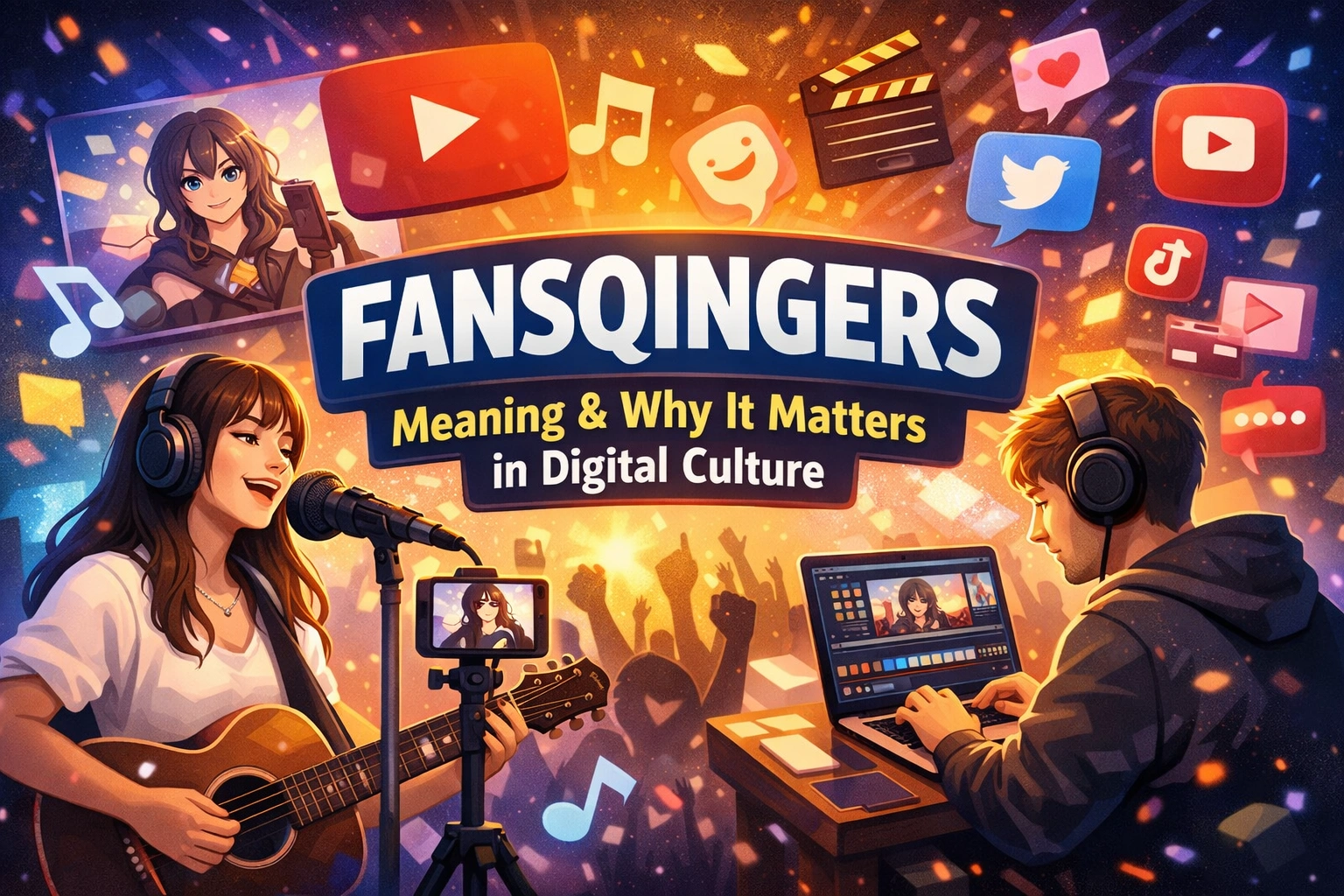
Fansqingers is a term that reflects a modern kind of online identity, where people do more than admire music, creators, trends, or fandoms from a distance. Instead of staying passive, fansqingers turn their interest into expression through covers, edits, reaction content, short videos, creative posts, and community-driven content that adds something new to the conversation. In today’s fast-moving digital culture, this idea feels especially relevant because audiences no longer want to just watch. They want to participate, remix, respond, and build their own presence around the things they enjoy.
As digital communities continue to grow in 2026, terms like this gain attention because they capture how internet culture is evolving. A fansqinger is often seen as part fan, part creator, and part community voice. That mix is what makes the concept interesting. It is not limited to music alone, even if the word sounds connected to singing or performance. It can also apply to people who use their creativity to celebrate artists, online personalities, entertainment trends, or niche communities in a way that feels personal and original.
This article explores what fansqingers means, why the term is gaining curiosity online, how it connects with creator culture, and what makes it different from being a traditional fan. If you have seen the word pop up and wanted a simple but complete explanation, this guide will help you understand the idea in a practical and engaging way.
Table of Contents
What Is Fansqingers?
Fansqingers can be understood as people who blend fandom with creativity. They do not only follow an artist, trend, show, or online personality. They respond to it by making something of their own. That could be a song cover, a remix, a fan edit, a tribute video, a reaction clip, a themed blog post, or even a short social media series inspired by something they genuinely enjoy.
The reason the word feels interesting is because it describes a shift in how people behave online. In the past, being a fan often meant watching, supporting, and sharing someone else’s work. Now, many internet users also create around the things they love. They are not replacing the original content. They are adding energy, emotion, and visibility to it through their own voice and style.
In a simple sense, fansqingers are active participants in digital culture. They take admiration and turn it into action. That action might be musical, visual, social, or community-based. The exact format can vary, but the core idea stays the same: passion becomes expression.
This is also why the term feels broader than it first appears. Even though it sounds linked to singing, the concept can stretch beyond performance. It can include creators who make fan-centered content that helps shape conversations, spread trends, and strengthen communities around shared interests.
Also Read: Common Myths About Skin Rejuvenation Treatments
Why Fansqingers Are Getting Attention Online
The growing interest in fansqingers comes from the way the internet works today. Social platforms reward originality, speed, and personality, which gives everyday users more chances to stand out. A person no longer needs a studio, a big budget, or a media company behind them to reach people. A creative idea, a phone camera, and consistent posting can be enough to build attention.
That environment makes the fansqingers idea easy to understand. People are drawn to creators who feel real, relatable, and emotionally connected to what they share. When someone posts content based on genuine excitement for a song, artist, trend, or fandom, audiences often respond better because it feels less forced and more human.
Another reason the term gets attention is that online culture now moves through communities instead of only through celebrities or major brands. Viral moments often come from fan edits, reactions, covers, mashups, and niche creator spaces before they spread to a wider audience. In that sense, fansqingers represent a larger shift in digital behavior. They are part of the reason internet culture feels more participatory than ever.
As more people explore identity through content creation, terms like this naturally attract curiosity. They describe a style of online presence that feels current, creative, and closely tied to how people connect in modern digital spaces.
Also Read : When Making Shirts Stops Feeling Like a Hobby
Fansqingers and the Rise of Creative Fan Culture
Creative fan culture has grown far beyond old-style fan clubs or comment sections. Today, people show their enthusiasm by making something new out of the content they love. That is where fansqingers fit in so naturally. They reflect a generation of internet users who want to participate, reinterpret, and contribute instead of simply watch from the sidelines.
This change has been fueled by platforms that make creation easier. Short-form video apps, editing tools, music apps, and design platforms allow fans to produce polished content from home. As a result, fan culture has become more visible, interactive, and influential. A creative fan can now shape how a trend spreads, how a song gets rediscovered, or how a community grows around a shared interest.
Fansqingers are part of this movement because they help turn fandom into expression. Their value is not just in being enthusiastic. It is in transforming enthusiasm into something others can enjoy, react to, and share. That process keeps fan communities active and gives digital culture more personality.
In many ways, creative fan culture is one of the clearest signs of how online spaces have changed. People no longer need permission to join the conversation. They join it by creating.
Also Read : How to Turn Everyday Moments into Family Bonding Opportunities
How Fansqingers Are Different From Regular Fans
The biggest difference between fansqingers and regular fans is participation. A regular fan usually enjoys content by watching videos, streaming music, following updates, or supporting a favorite creator from the audience side. A fansqinger goes one step further by turning that interest into output. Instead of only reacting, they create.
That creative element changes everything. A fansqinger might post a cover inspired by a favorite song, make a visual edit of a popular scene, share original commentary, or build a small online page around a personal fandom interest. Their role becomes active rather than passive. They are not just consuming internet culture. They are helping shape it.
This does not mean one type of fan is better than the other. Traditional fans are still essential because they support communities, share enthusiasm, and keep interest alive. But fansqingers add another layer. They contribute fresh energy and often help trends spread faster because their content gives people a new way to engage.
A simple way to think about it is this: regular fans follow the conversation, while fansqingers join the conversation with something original of their own.
Also Read : Groomed to Perfection: Top Hairstyles for Every Groom
Common Traits of Fansqingers
Even though fansqingers can come from very different online spaces, many of them share a few clear traits. The first is genuine enthusiasm. They usually create around something they truly enjoy, whether that is music, entertainment, internet personalities, gaming, pop culture, or a specific niche community. Their interest feels real, and that authenticity is often what draws other people in.
Another common trait is creativity. Fansqingers rarely stop at simple admiration. They look for ways to reinterpret what they love through videos, audio clips, edits, posts, captions, mashups, or visual content. Even when the format is simple, there is usually a personal angle that makes their content feel different from everything else online.
Consistency also matters. Many fansqingers build recognition because they keep showing up. They post regularly, interact with others, and stay involved in the communities they care about. Over time, this steady presence can turn a casual hobby into a recognizable online identity.
They also tend to value connection. Fansqingers do not create in isolation. They respond to comments, engage with trends, and often become part of a wider network of people who share the same interests. That sense of community is a major reason the term continues to feel relevant in modern digital culture.
Also Read : Simplifying Research Papers with Smart APA Formatting Tools
Where Fansqingers Share Their Content
Fansqingers usually thrive on platforms that make creation and sharing fast, visible, and interactive. Social media has made it easier than ever for people to turn a personal interest into public content, which is why this type of creator often appears across several platforms at once.
YouTube is one of the most natural spaces for longer content. It works well for song covers, fan commentary, reaction videos, edits, tutorials, and themed compilations. TikTok, on the other hand, is ideal for short and catchy content that can spread quickly. A brief performance clip, trend remix, or fan-based skit can travel far in a short time when it connects with the right audience.
Instagram remains useful for visual storytelling, reels, short updates, and community interaction. Some fansqingers also use X, Reddit, Discord, or niche forums to share ideas, join discussions, and connect with people who follow the same interests. Blogs and personal websites still matter too, especially for those who want more control over how they present reviews, thoughts, or creative work.
The main point is that fansqingers go where communities already gather. They choose platforms based on the kind of content they want to make and the kind of audience they want to reach.
Fansqingers in Music, Fandom, and Social Media
Fansqingers are especially easy to spot in spaces built around music, fandom, and fast-moving online trends. In music culture, they may record covers, reinterpret lyrics, post acoustic versions, or create short performances inspired by artists they admire. What makes their content stand out is not just the performance itself, but the personal style they bring to it. Even when the source is familiar, the delivery feels individual.
In fandom spaces, fansqingers often create edits, character tributes, theories, memes, or themed content that keeps conversations active between major releases or trending moments. They help fandoms stay alive by constantly adding new energy. A community that might otherwise go quiet can remain active because fans keep producing original material around it.
On social media, this activity becomes even more visible. Platforms reward content that feels engaging, emotional, and easy to share. Fansqingers fit that model well because their work is often driven by real excitement rather than polished branding. That authenticity makes people more likely to comment, repost, and join in.
This is one reason the term feels relevant now. It captures the blend of fan passion, creator mindset, and social interaction that defines so much of today’s online culture.
Why fansqingers Fit So Well in 2026 Digital Culture
The idea of fansqingers fits naturally into 2026 digital culture because the internet now rewards people who are involved, expressive, and easy to relate to. Online audiences are no longer impressed by polished content alone. They also want personality, creativity, and a sense that a real person is behind the post. That is exactly where fansqingers stand out.
Modern digital culture is built around participation. People react in real time, remix trends within hours, and build communities around shared interests faster than ever before. In that kind of environment, someone who can take inspiration and turn it into original content has a clear place. Fansqingers match the energy of the current internet because they are active, flexible, and connected to what audiences enjoy most.
Another reason they fit so well is that niche communities have become more powerful. A creator no longer needs to appeal to everyone. They only need to connect with the right people. Fansqingers often grow by serving specific interests, whether that is a music style, a fandom, a creator community, or a pop culture moment.
That combination of authenticity, speed, and community makes the concept feel especially current. It reflects how digital identity now works in a world where being creative and engaged matters just as much as being visible.
Can Anyone Become a Fansqinger?
Yes, almost anyone can become a fansqinger because the idea is based more on passion and participation than on perfection. You do not need expensive equipment, a huge following, or professional-level skills to begin. What matters most is having a real interest in something and being willing to express that interest in a creative way.
For some people, that may start with a simple cover video or a short reaction post. For others, it could mean making edits, writing fan-based commentary, creating visual content, or building a small page around a favorite topic. The format is flexible, which makes the concept appealing to beginners who want to experiment without feeling boxed into one style.
The biggest advantage is that entry barriers are lower than ever. A smartphone, a free editing app, and a clear idea are often enough to get started. Many people who later build strong communities begin with very basic posts and improve over time through practice and feedback.
Becoming a fansqinger is less about waiting for the perfect moment and more about starting where you are. The more consistently you create and engage, the more naturally that identity begins to take shape.
Benefits of Being Part of the Fansqingers Trend
One of the biggest benefits of being part of the fansqingers trend is the chance to turn personal interest into something visible and rewarding. Instead of keeping your enthusiasm private, you use it to create content that can connect with other people who enjoy the same things. That creates a stronger sense of belonging and makes online spaces feel more interactive.
Another benefit is creative growth. When people post regularly, they naturally improve skills such as writing, editing, performing, presenting, and communicating. What starts as a hobby can become a valuable creative outlet, and for some, it can even open doors to collaborations, personal branding, or income opportunities later on.
Fansqingers also gain something many internet users want: community. Creating around shared interests helps people find others with similar tastes, ideas, and energy. That often leads to conversations, friendships, and loyal audiences built around authenticity rather than forced promotion.
There is also a confidence factor. Sharing original work online can feel intimidating at first, but it often helps people develop a stronger voice. Over time, being part of the fansqingers trend can become not just a fun activity, but a meaningful way to build identity, creativity, and connection in the digital world.
Fansqingers vs Traditional Online Audiences
The difference between fansqingers and traditional online audiences becomes clearer when you look at how each group interacts with content. Traditional audiences mostly consume. They watch videos, like posts, follow creators, and stay updated on trends. Their role is important because they support visibility and keep platforms active, but their involvement often stops at viewing and reacting.
Fansqingers operate differently. They take what they enjoy and build on it. Instead of only watching a performance, they may post their own version. Instead of only following a trend, they may reshape it with a personal twist. This turns them from viewers into contributors, which gives them a more active role in digital culture.
The contrast can be explained in a simple way:
| Feature | Fansqingers | Traditional Online Audiences |
|---|---|---|
| Main role | Creator and fan | Viewer or follower |
| Content style | Original, inspired, or remixed | Mostly consumed from others |
| Interaction level | Active and public | Mostly reactive |
| Community impact | Helps shape trends and discussions | Helps support and spread content |
| Creative identity | Strong personal voice | Limited content contribution |
This comparison shows why the term feels distinct. Fansqingers are not defined only by what they like. They are defined by what they do with what they like. That action-based identity is what makes them stand out in today’s internet culture.
The Future of Fansqingers
The future of fansqingers looks strong because digital culture keeps moving toward participation, personality, and creator-led communities. More people now want to do something with the content they enjoy rather than simply scroll past it. That shift creates the perfect environment for fansqingers to keep growing as a recognizable part of online culture.
Technology will also make this trend easier to sustain. Editing apps, AI-assisted tools, better phone cameras, and faster content platforms continue to lower the barrier for new creators. This means more people can experiment, improve their content, and reach an audience without needing expensive equipment or professional training. As tools become simpler, creative participation becomes more common.
Another reason the future looks promising is the rise of niche communities. The internet is no longer only about going viral in front of everyone. Many creators now succeed by connecting deeply with smaller groups that share the same interests. Fansqingers fit this model perfectly because their content usually grows from genuine enthusiasm, not generic mass appeal.
Over time, the line between fan and creator will likely keep fading. That is why fansqingers may become even more relevant in the years ahead. They represent the kind of online presence that feels modern, expressive, and built for a community-driven internet.
Final Thoughts on Fansqingers
Fansqingers represent a creative side of internet culture that feels especially relevant today. They are not just people who admire music, trends, creators, or fandoms from a distance. They are people who respond with something of their own, whether that means a performance, an edit, a reaction, a remix, or a piece of content that adds a fresh point of view.
What makes the idea stand out is its mix of passion and participation. Fansqingers bring more movement to online communities because they do not stop at liking something. They build on it, share it, and help it travel further. In many ways, they reflect the direction the internet has already taken, where creativity is no longer limited to professionals and audiences want more authentic voices.
As online culture continues to evolve, fansqingers are likely to remain part of that shift. They fit a world where people want connection, expression, and a chance to contribute instead of only consume. For anyone trying to understand the term, the simplest explanation is this: fansqingers are active fans who turn enthusiasm into creation, and that is exactly why they matter.