
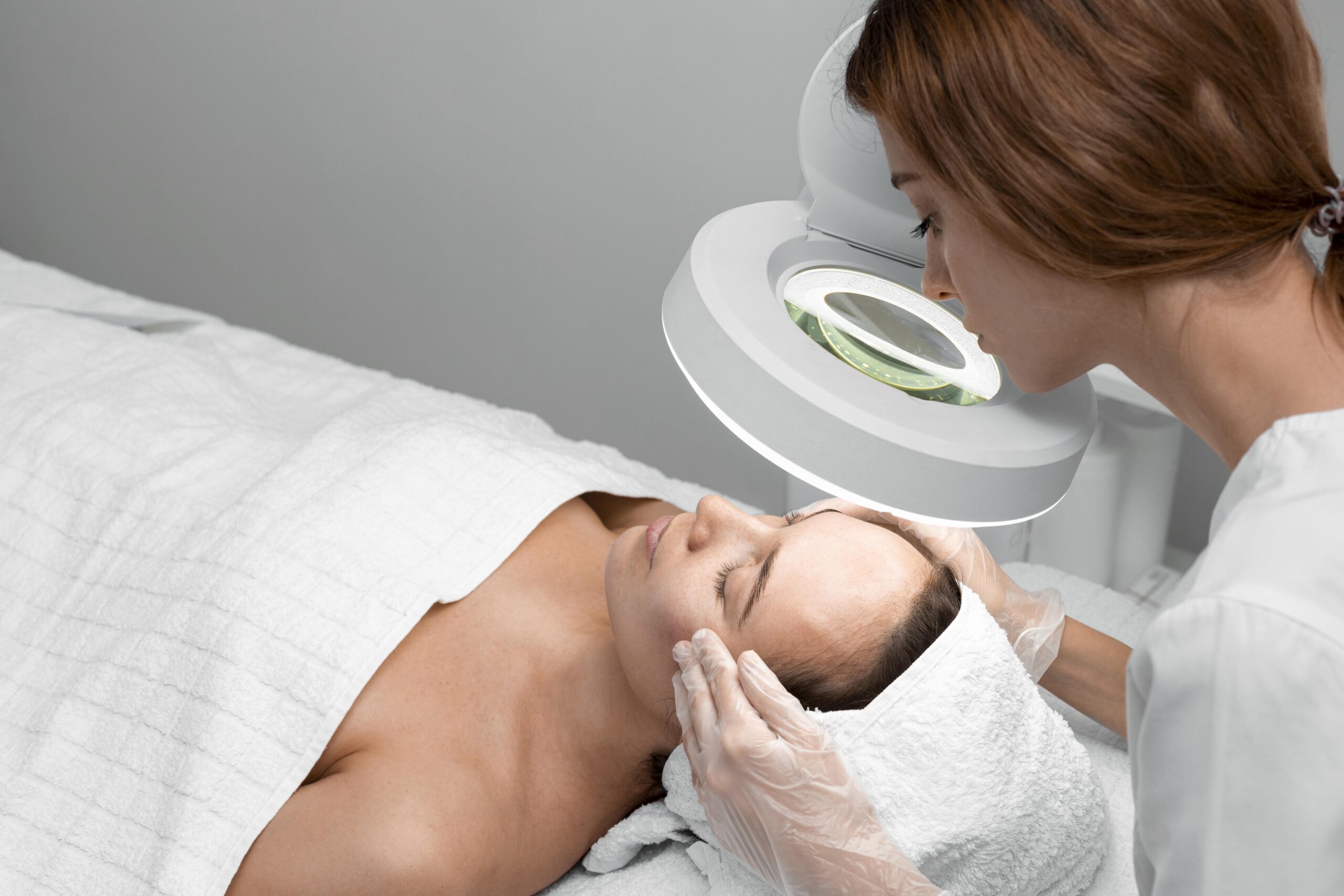
Skin rejuvenation treatments have become incredibly popular over the past decade. More people than ever are exploring options to improve their skin’s appearance, reduce signs of aging, and address various skin concerns.
But popularity breeds misinformation. Countless myths, misconceptions, and outdated beliefs about these treatments circulate online and through word-of-mouth.
These myths create unnecessary fear, unrealistic expectations, and confusion about what treatments actually do and who they benefit.
Understanding the truth behind common skin rejuvenation myths helps you make informed decisions about your skincare. It also prevents you from avoiding beneficial treatments based on false information or pursuing treatments with unrealistic expectations.
Modern technologies like BBL HEROic Photofacial Thornton CO have evolved significantly from earlier versions, delivering effective results with minimal discomfort and downtime. It’s far different from what many outdated myths suggest about skin treatments.
Let’s separate fact from fiction by addressing the most common myths about skin rejuvenation treatments.
Myth 1: Skin Treatments Are Only for Women
The Reality of Gender and Skincare
This persistent myth suggests that caring about skin appearance or seeking cosmetic treatments is exclusively feminine. This couldn’t be further from the truth.
Men’s skin ages just like women’s skin. Sun damage, wrinkles, age spots, and texture issues affect everyone regardless of gender. Men develop these concerns and want to address them just as women do.
The stigma around men seeking cosmetic treatments has decreased dramatically in recent years. Dermatology and medical spa practices report steadily increasing numbers of male patients seeking various skin treatments.
Men now represent approximately 30-40% of cosmetic procedure patients, and that percentage continues growing. Procedures like laser treatments, chemical peels, and injectables are completely normal for male patients.
Why Men Benefit From Skin Treatments
Men’s skin actually has some characteristics that make certain treatments particularly beneficial:
Thicker skin with more collagen initially, but when aging signs appear, they often seem more pronounced. Treatments can address these visible concerns effectively.
Higher rates of sun damage due to historically less sun protection use. Men are catching up on sunscreen habits, but accumulated damage often needs treatment.
Shaving irritation and ingrown hairs that certain treatments can help minimize. Laser treatments particularly benefit men dealing with these common issues.
Professional benefits, as appearance increasingly influences career perceptions in many industries. Looking refreshed and healthy matters professionally for everyone.
There’s no medical or practical reason skin treatments should be gender-specific. They’re for anyone wanting to improve their skin’s health and appearance.
Myth 2: You Must Wait Until You’re Older to Start Treatments
Prevention Versus Correction
Many people believe skin treatments are only for correcting existing aging signs, something you pursue in your 50s or 60s.
The truth is that preventive treatments started earlier often work better than corrective treatments started later.
Think of it like maintenance on a car. Regular oil changes prevent engine damage. Waiting until the engine fails costs more and provides less satisfactory results than prevention would have.
Skin works similarly. Starting treatments in your late 20s or early 30s can prevent some aging signs from developing or minimize their severity.
Age-Appropriate Treatment Strategies
Different decades call for different treatment approaches:
20s and early 30s: Focus on prevention. Sun protection, gentle chemical peels, light laser treatments, and good skincare routines prevent future damage. You’re building healthy skin habits and preventing problems.
Mid-30s to 40s: Combination of prevention and early correction. Addressing fine lines, minor sun damage, and texture issues before they become severe. Treatments maintain youthful appearance longer.
50s and beyond: More aggressive correction of accumulated damage. Deeper treatments address wrinkles, significant sun damage, and loss of firmness. You’re reversing visible aging signs.
There’s no “too early” as long as treatments are appropriate for your age and concerns. A 28-year-old using preventive laser treatments isn’t too young—they’re being proactive.
Conversely, there’s no “too late” either. People in their 60s, 70s, and beyond benefit from appropriate treatments. Skin continues responding to treatment at any age.
Myth 3: Skin Treatments Are Extremely Painful
Where This Myth Originated
Older treatment technologies and techniques were sometimes uncomfortable. Early laser treatments, aggressive chemical peels, and dermabrasion procedures could be quite painful.
Stories from people who experienced these older treatments created lasting impressions that all skin treatments hurt significantly.
The problem? These stories are often decades old. Technology has advanced dramatically. Modern treatments are far more comfortable than their predecessors.
Modern Comfort Measures
Today’s skin rejuvenation treatments incorporate numerous comfort improvements:
Advanced cooling systems built into laser devices cool skin before, during, and after treatment. This significantly reduces discomfort. Many patients describe sensations as “warm snaps” rather than pain.
Topical numbing creams applied before treatments minimize sensation. These prescription-strength anesthetics make even more aggressive treatments quite tolerable.
Improved techniques deliver energy more precisely and efficiently. Treatments that once took hours now take minutes, reducing cumulative discomfort.
Better technology allows customization to individual pain tolerances. Providers can adjust settings based on your comfort level.
Most modern treatments rate 2-4 on a 10-point pain scale. That’s less discomfort than a dental cleaning for many people.
What Discomfort Actually Feels Like
Realistic descriptions help you know what to expect:
Laser treatments feel like rubber band snaps or warm pinpricks. Brief, tolerable sensations that pass immediately after each pulse.
Chemical peels create tingling or mild stinging sensations during application. They’re generally well-tolerated without numbing.
Microneedling with numbing cream feels like light scratching or pressure. Without numbing, it’s more uncomfortable but still tolerable for most people.
IPL/photofacials feel like quick warm flashes against skin. Most people find these very comfortable.
If you’re nervous about discomfort, discuss concerns with your provider. They can offer additional comfort measures like stronger numbing, cooling, or modified settings.
Myth 4: Results Are Immediate and Permanent
Understanding Realistic Timelines
This myth works both directions. Some people expect instant transformation immediately after treatment. Others believe one treatment creates permanent results requiring no maintenance.
Neither expectation is accurate for most skin rejuvenation treatments.
Immediate visible results are rare. Some treatments like certain dermal fillers show instant improvement. But most skin rejuvenation treatments work by triggering your body’s natural healing and renewal processes.
These biological processes take time. Collagen production builds over weeks and months. Cell turnover happens gradually. Pigment fades through multiple skin renewal cycles.
Typical Result Timelines
Most treatments follow these general timelines:
Chemical peels: Initial results visible within 1-2 weeks as skin heals and new skin emerges. Full results develop over 4-6 weeks as collagen remodeling continues.
Laser resurfacing: Healing takes 5-14 days depending on depth. Continued improvement for 3-6 months as collagen builds.
IPL/Photofacials: Treated pigment darkens then flakes off over 7-14 days. Multiple sessions spaced 3-4 weeks apart produce cumulative improvement.
Microneedling: Minimal immediate change. Results develop over 4-6 weeks as collagen production increases. Best results after series of 3-6 treatments.
Laser hair removal: Treated hair falls out over 2-3 weeks. Multiple sessions needed for permanent reduction.
Patience is essential. Judging treatment effectiveness too early leads to disappointment about results that actually are developing.
Maintenance Requirements
No skin treatment stops the aging process permanently. Your skin continues aging after treatment.
Think of treatments as turning back the clock, not stopping it. If you look 10 years younger after treatments, you still age forward from that point.
Maintenance treatments preserve results. This might mean:
- Yearly or twice-yearly treatment sessions
- Ongoing excellent skincare routines
- Strict sun protection
- Healthy lifestyle habits
Treatment results do last for extended periods—often years. But “permanent” is misleading. Smart maintenance preserves your investment and results.
Myth 5: Skin Treatments Are Only for Facial Concerns
Beyond the Face
Most marketing and discussion focus on facial treatments. This creates the impression that skin rejuvenation only applies to faces.
Your entire body’s skin ages and sustains damage. Many treatments that work wonderfully on faces work equally well on other areas.
Common treatment areas beyond the face include:
Neck and chest (décolletage): These areas show significant sun damage and aging. Treatments improve texture, pigmentation, and fine lines.
Hands: Hands reveal age through sun spots, volume loss, and visible veins. Various treatments rejuvenate hand appearance dramatically.
Arms: Sun damage creates spots and texture issues. Laser treatments improve appearance significantly.
Back and shoulders: Acne scarring, sun damage, and texture concerns respond well to appropriate treatments.
Legs: Spider veins, age spots, and texture issues can be addressed.
Treatment Considerations for Body Areas
Body treatments often require adjustments from facial treatments:
Thicker skin on body areas sometimes needs stronger treatment settings or more sessions for equivalent results.
Larger treatment areas take more time and may cost more than smaller facial areas.
Healing may differ slightly. Body areas might take longer to heal than facial skin in some cases.
But the fundamental treatments work similarly. Lasers, chemical peels, and other modalities aren’t limited to facial use.
Myth 6: All Skin Types Can Have Any Treatment Safely
Skin Type Matters Significantly
This myth is particularly dangerous because believing it leads to complications and poor results.
Not all treatments work safely or effectively on all skin types. Skin color, specifically the amount of melanin (pigment) in skin, affects how certain treatments perform.
The Fitzpatrick Scale classifies skin into six types from very fair (Type I) to very dark (Type VI). Treatment selection must consider where you fall on this scale.
How Melanin Affects Treatments
Many laser and light-based treatments target pigment. They’re designed to heat and destroy melanin in hair follicles, sun spots, or blood vessels.
The problem? Melanin exists throughout skin in darker skin types, not just in the treatment target. These treatments can potentially damage surrounding skin pigment.
Complications in darker skin types can include:
- Hyperpigmentation (darkening) from inflammation
- Hypopigmentation (lightening/white spots) from damaged melanin-producing cells
- Burns from excessive heat absorption
- Scarring in severe cases
Safe Treatment Options for All Skin Types
This doesn’t mean people with darker skin can’t have treatments. It means careful provider selection and treatment choice matter enormously.
Experienced providers trained specifically in treating diverse skin types know which treatments work safely and which to avoid.
Appropriate technologies exist for darker skin. Certain laser wavelengths and settings work safely across all skin types. Providers must use these correctly.
Alternative treatments that don’t target melanin work well for all skin types. Chemical peels with appropriate acids, microneedling, and some other treatments work regardless of skin color.
Always disclose your complete background, including ethnicity and tanning habits. Choose providers who demonstrate experience with your specific skin type and can show before-and-after photos of patients similar to you.
Myth 7: Skincare Products and Treatments Do the Same Thing
Products Versus Procedures
High-quality skincare products are important. They maintain skin health, provide protection, and offer gradual improvements.
But over-the-counter and even prescription skincare products work at surface levels. They cannot penetrate as deeply or create changes as significant as professional treatments.
The confusion arises from marketing. Skincare products sometimes claim results comparable to professional treatments. Terms like “laser-like results” or “clinical-grade” suggest equivalency that doesn’t exist.
What Products Can and Cannot Do
Products excel at:
- Daily maintenance and prevention
- Gradual improvement of minor concerns
- Supporting and extending treatment results
- Protecting skin from environmental damage
Products cannot:
- Penetrate to dermal layers where significant collagen exists
- Remove deep pigmentation or significant sun damage
- Resurface skin or trigger substantial renewal
- Produce results comparable to professional treatments in timeframe or magnitude
Professional treatments:
- Reach deeper skin layers products cannot access
- Trigger significant biological responses (collagen production, cell turnover)
- Address moderate to severe concerns products cannot improve
- Produce more dramatic results in shorter timeframes
The Ideal Combination
Products and treatments work best together, not as alternatives:
Professional treatments create significant improvements. Quality skincare products maintain and gradually enhance those results between treatments.
Think of treatments as major renovations and products as ongoing maintenance. Both are valuable, but they serve different purposes.
Myth 8: More Aggressive Treatment Means Better Results
The Intensity Fallacy
Some people believe stronger, more aggressive treatments automatically produce superior results. They request the highest settings, deepest peels, or most intensive options.
This “more is better” mentality causes problems.
Skin has limits. Pushing beyond those limits doesn’t create better results—it creates complications, prolonged healing, and potential scarring or permanent damage.
Why Conservative Approaches Often Win
Better safety profiles with appropriate treatment intensity. You achieve results without unnecessary risk.
More comfortable experiences make treatments tolerable and encourage necessary follow-up sessions.
Shorter healing times mean less disruption to your life and lower complication risks.
Cumulative improvement through multiple moderate treatments often produces better final results than a single aggressive treatment.
Experienced providers customize treatment intensity to your specific skin, concerns, and healing capacity. They’re not being timid—they’re being strategic.
Some patients do benefit from more aggressive treatment. But this determination requires professional assessment, not patient preference for “the strongest available.”
Myth 9: Skin Treatments Are Purely Cosmetic Vanity
Medical and Psychological Benefits
Dismissing skin treatments as pure vanity ignores legitimate medical and psychological benefits.
Medical conditions improved by skin treatments include:
Acne scarring causes texture irregularities and sometimes discomfort. Treatments smooth skin and improve the quality of life.
Rosacea creates redness, inflammation, and discomfort. Laser treatments reduce symptoms significantly.
Precancerous lesions (actinic keratoses) can be removed by certain laser treatments, preventing progression to skin cancer.
Excessive hair growth from hormonal conditions. Laser hair removal provides relief beyond cosmetic improvement.
Psychological benefits are legitimate and significant:
Improved confidence affects professional opportunities, social interactions, and overall life satisfaction.
Reduced self-consciousness allows people to engage more fully in activities they previously avoided.
Relief from distress about appearance concerns. Visible skin issues cause genuine emotional suffering for many people.
Dismissing these benefits as “vanity” minimizes real quality-of-life improvements people experience.
Making Informed Treatment Decisions
Now that we’ve cleared up common myths, you can approach skin treatments with accurate information.
Research thoroughly but verify sources. Medical websites, board-certified dermatologists, and peer-reviewed studies provide reliable information. Social media and forums often perpetuate myths.
Consult qualified providers. Board-certified dermatologists or experienced licensed aestheticians in medical settings offer expertise. They assess your specific situation rather than applying general rules.
Ask questions during consultations. Address your specific concerns and ensure you understand recommendations, expected results, and realistic timelines.
Start conservatively unless medical evaluation indicates otherwise. You can always increase treatment intensity if needed, but you can’t undo overly aggressive treatment.
Maintain realistic expectations based on facts rather than myths. Understand that good results take time, require proper treatment selection, and need appropriate maintenance.
Skin rejuvenation treatments offer significant benefits when pursued with accurate information and realistic expectations. Don’t let myths prevent you from exploring options that might genuinely improve your skin health and confidence.
The truth is far less frightening and far more encouraging than the myths suggest. Modern treatments are effective, relatively comfortable, and accessible to diverse patients when performed by qualified providers who customize approaches to individual needs.