
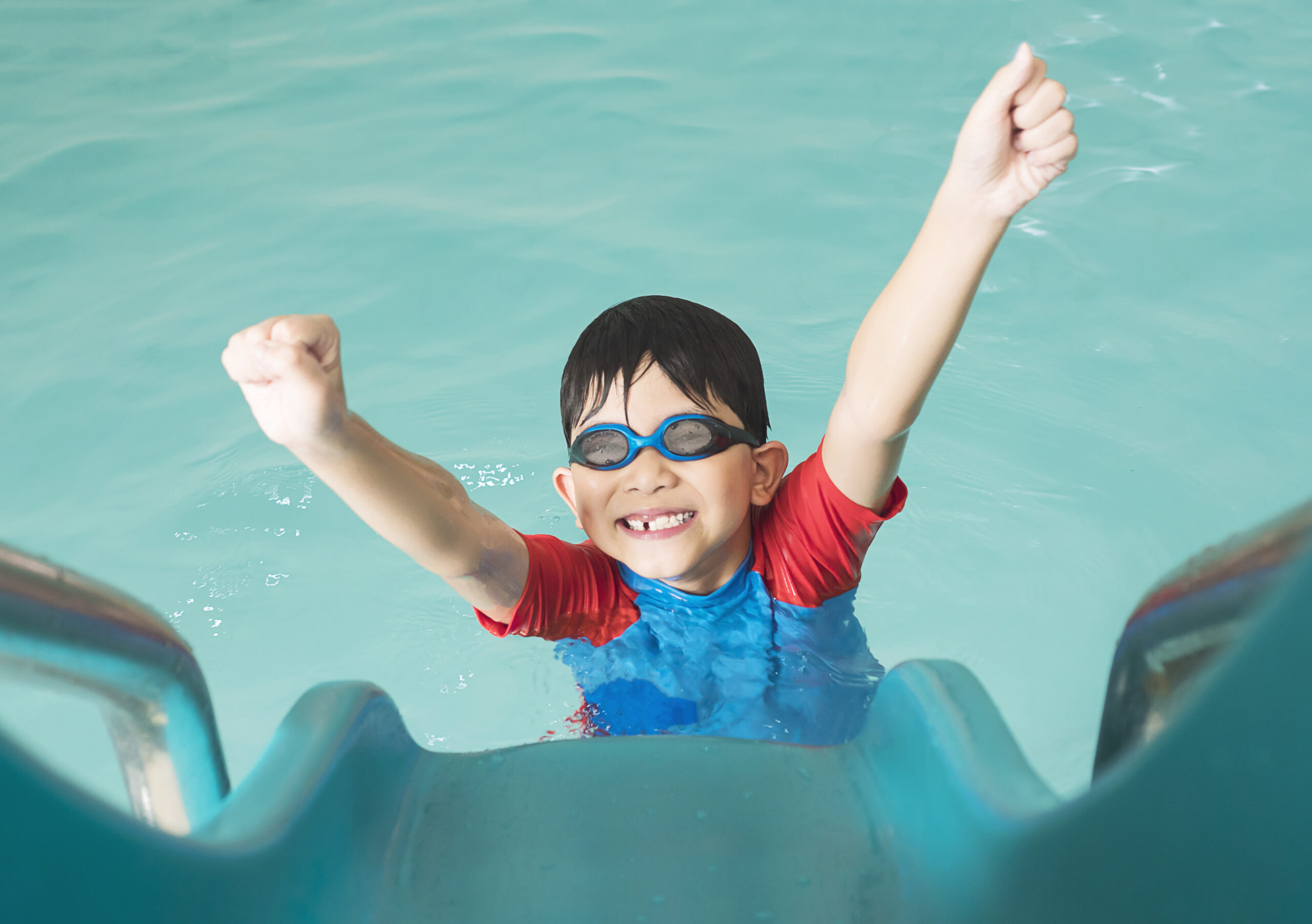
Your child’s first swim class is an exciting milestone. It’s also a new experience that might feel a little scary for both of you.
Some kids jump right in with enthusiasm. Others feel nervous about the water, the instructor, or being away from you. Both reactions are completely normal.
Good preparation makes the first lesson smoother and more enjoyable. When kids know what to expect, they feel more confident and comfortable.
Parents researching swimming lessons Arvada CO, often wonder how to best prepare their children for this new experience. The key is combining practical preparation, gathering the right gear, and establishing routines, with emotional support that builds confidence and reduces anxiety about this exciting new activity.
This guide walks you through everything you need to do before that first swim class to set your child up for success.
Talk About What Will Happen
Explain Swimming Lessons in Simple Terms
Start talking about swim lessons a few days before the first class. Keep explanations simple and positive.
“You’re going to learn how to swim! A teacher will show you fun things to do in the water. You’ll learn to kick your legs, move your arms, and float on your back.”
Use words your child understands based on their age. Younger children need very simple explanations. Older kids can understand more details about what they’ll learn.
Describe the Pool and Setting
Help your child picture what they’ll see when they arrive.
“The swimming pool is like a really big bathtub. The water is warm and nice. There are steps going into the water so you can walk in slowly.”
If possible, visit the pool facility before the first lesson. Walk around the pool deck. Show your child the changing areas. Let them see the water and where lessons happen.
This preview removes the surprise factor. Kids feel more comfortable when they’ve seen the space before their lesson starts.
Introduce the Concept of an Instructor
Explain that a special teacher, called a swim instructor, will teach them.
“Your swim teacher’s name is [name]. They’re really good at helping kids learn to swim. They’ll stay close to you in the water and show you what to do.”
If the facility provides instructor photos or bios, show them to your child. Putting a face to the name helps kids feel more familiar with this new person.
Emphasize that the instructor’s job is to keep them safe and help them learn fun new skills.
Address Fears and Concerns
Listen to Their Worries
Ask your child if they have any worries about swim lessons. Listen carefully without dismissing their concerns.
Common fears include:
- Being away from parents
- Going underwater
- Not knowing how to swim yet
- The water being too deep
- Other kids watching them
Whatever they share, acknowledge that their feelings are real and okay. “I understand that feels scary. Let’s talk about it.”
Provide Reassuring Answers
Address each concern with simple, honest reassurance.
Fear of being away from parents: “I’ll be right there watching you. You can see me the whole time. The teacher will be with you in the water.”
Fear of going underwater: “You don’t have to put your head underwater until you’re ready. The teacher won’t make you do anything that scares you too much.”
Fear of not knowing how to swim: “That’s exactly why you’re taking lessons! Nobody knows how to swim before they learn. The teacher will show you everything step by step.”
Fear of deep water: “You’ll start in the shallow part where you can touch the bottom. You won’t go in deep water until you’re ready.”
Share Positive Stories
Tell your child about other kids who learned to swim and loved it. If they have older siblings, cousins, or friends who swim, talk about those connections.
“Remember how Emma was nervous at first? Now she loves swimming and goes to the pool all the time.”
Positive examples help children see that nervousness is normal and that swimming becomes fun once you learn.
Get the Right Gear Together
The Essential Swim Equipment
Having the right gear ready eliminates last-minute stress and helps your child feel prepared.
Swimsuit: Choose a comfortable, well-fitting swimsuit. For girls, one-piece suits work better than bikinis for active swimming. For boys, swim trunks or swim briefs both work fine.
Avoid loose, baggy suits that create drag in the water or might slip down. The suit should fit snugly but not feel too tight.
Goggles (optional for first lesson): Many kids like goggles to keep water out of their eyes. This can make the experience more comfortable, especially if your child is sensitive about water in their face.
Let your child practice wearing goggles at home. Make sure they fit properly and don’t leak. Some kids find goggles uncomfortable at first, so don’t force them if they resist.
Towel: Bring a large, absorbent towel. Choose one in your child’s favorite color or with a fun character to make it more exciting.
Swim cap (if required): Some facilities require swim caps, especially for children with longer hair. Check with your swim school about their policy.
Pack a Swim Bag
Get your child involved in packing their swim bag. This builds excitement and helps them feel ownership over the experience.
Include:
- Swimsuit
- Goggles
- Towel
- Change of dry clothes (including underwear)
- Plastic bag for wet items
- Snack for after class
- Water bottle
Pack everything the night before the first lesson. This prevents rushing and forgotten items.
Practice Water Comfort at Home
Bathtime as Practice Time
If your child seems nervous about water, use bathtime to build comfort in the days leading up to the lesson.
Face washing practice: Gently pour water over your child’s face using a cup. Start with just a little water and gradually increase. This gets them used to water on their face, which happens during swimming.
Make it a game. “Let’s pretend we’re washing our face like a puppy” or “Can you keep your eyes closed while I pour water on your forehead?”
Blowing bubbles: Have your child practice blowing bubbles in the bathwater. Put their mouth just at water level and blow. This teaches breath control needed for swimming.
Floating practice: In a full bathtub, help your child practice floating on their back with your support. This familiarizes them with the horizontal position used in swimming.
Talk About Water Rules
Teach basic pool safety rules before the first lesson:
- Always listen to the instructor
- Walk, don’t run, on the pool deck (slippery surfaces cause falls)
- No pushing or jumping on other kids
- Stay where the instructor tells you
- Never go in the water without a grown-up or instructor present
Understanding these rules ahead of time helps your child follow them during class.
Establish a Positive Pre-Lesson Routine
The Morning of the First Lesson
Create a calm, positive morning routine on lesson day.
Eat a light meal or snack 30-60 minutes before the lesson. Don’t swim on a completely empty stomach, but avoid heavy meals that cause discomfort. Good options include toast, fruit, yogurt, or a small sandwich.
Use the bathroom before leaving home. This is important! Waiting until you arrive can make your child uncomfortable during the lesson.
Arrive early so you’re not rushed. Plan to get there 10-15 minutes before the lesson starts. This gives you time to find parking, locate the pool, change, and get settled without stress.
Rushing creates anxiety. Arriving calmly with time to spare helps everyone feel more relaxed.
What to Say (and Not Say)
Positive, encouraging words:
- “You’re going to have so much fun today!”
- “I’m excited to see what you learn!”
- “The swim teacher is going to show you cool stuff!”
- “I’ll be right here watching you the whole time.”
Avoid these phrases:
- “Don’t be scared” (this actually highlights fear)
- “You have to do this” (creates pressure)
- “It’s no big deal” (dismisses their feelings)
- “I hope you don’t cry” (suggests crying is expected)
Focus on fun and learning rather than performance or behavior expectations.
During the First Lesson
Where You Should Be
Most swim schools have observation areas where parents watch lessons. Position yourself where your child can see you easily.
Wave and smile when they look at you. Your calm, happy presence reassures them.
Avoid looking anxious or worried, even if you feel that way. Kids pick up on parent emotions. If you look nervous, they’ll feel nervous. If you look confident and happy, they’ll feel more secure.
Resist the Urge to Intervene
This is the hardest part for many parents. If your child cries or seems hesitant, you’ll want to jump in and rescue them.
Trust the instructor to handle the situation. Swim instructors are trained to work with nervous children. They know how to build confidence gradually.
Intervening or calling out to your child usually makes things harder. It reminds them that you’re there as a safety net, which can prevent them from engaging with the instructor.
If your child truly melts down and the instructor indicates you should help, then step in. But give the instructor time to work their magic first.
Celebrate Small Wins
After the lesson, focus on what your child did, not what they didn’t do.
“You got in the water! That was brave!” “I saw you kick your legs. That looked great!” “You listened to your teacher so well.”
Even if your child spent the whole lesson on the edge, refusing to participate, find something positive to highlight. “You stayed there and watched. Next time you’ll feel more ready to try.”
Avoid criticizing or expressing disappointment. “Why didn’t you go in the water?” or “The other kids weren’t scared” only makes your child feel bad and less likely to engage next time.
After the First Lesson
The Post-Swim Snack
Many kids feel hungry after swimming. Water activity burns energy! Have a healthy snack ready.
Good post-swim snacks include:
- Apple slices with peanut butter
- Cheese and crackers
- Granola bar
- Banana
- Trail mix
This snack also serves as a little reward and gives you something positive to associate with swim lessons.
Talk About What They Learned
Ask open-ended questions about the lesson:
- “What was your favorite part?”
- “What did the teacher show you?”
- “What do you think you’ll do next time?”
Let your child share their experience in their own words. Listen enthusiastically.
If they didn’t enjoy it or felt scared, acknowledge those feelings. “I know it felt scary today. That’s okay. Lots of kids feel nervous the first time. It gets easier.”
Be Patient with Progress
Some children take to swimming immediately. Others need several lessons before they feel comfortable.
Both paths are normal. Every child learns at their own pace.
Don’t compare your child to other kids in the class or to siblings. Comparisons create pressure and anxiety.
Trust the process. With consistent lessons and positive support, almost all children eventually become comfortable in the water and learn to swim.
Common First-Lesson Scenarios
If Your Child Won’t Get in the Water
Some children refuse to enter the pool on the first day. This isn’t failure, it’s normal.
Good instructors expect this and have strategies to help. They might:
- Let your child sit on the edge with feet in the water
- Play games at the edge before entering
- Work very gradually, one step at a time
Your job is to stay positive and not show frustration. “That’s okay. You can watch today and try again next time.”
Most children who refuse the first lesson participate by the second or third. They need time to observe and build comfort.
If Your Child Cries
Tears during first swim lessons are common. Your child might cry because they’re scared, tired, cold, or just overwhelmed by new experiences.
Stay calm. If the instructor can manage it (and they usually can), let them handle it. Most children calm down within a few minutes once they realize nothing bad is happening.
If crying continues the entire lesson, talk with the instructor afterward. They might suggest:
- Shorter initial lessons until comfort builds
- Parent-child classes where you’re in the water together
- Breaking the lesson into smaller steps
If Your Child Loves It
Wonderful! If your child takes to swimming immediately, that’s fantastic.
Continue with consistent lessons to build on this positive start. Kids who enjoy swimming from the beginning often progress quickly because they’re eager to learn more.
Just make sure they still follow safety rules and listen to instructors, even in their excitement.
Making Swim Lessons a Regular Success
Consistency Matters
Swim skills develop through repetition. Weekly lessons work better than sporadic lessons with long gaps.
Try to maintain the same lesson time each week. This creates routine and helps your child know what to expect.
If you must miss a lesson, don’t let it derail the momentum. Get back to lessons as soon as possible.
Keep the Positive Energy Going
Before each subsequent lesson, maintain the positive, low-pressure approach:
- “It’s swim day! I wonder what you’ll learn today.”
- Remind them of something fun from the previous lesson
- Keep the same calm pre-lesson routine you established
Celebrate Progress
As your child learns new skills, celebrate their achievements:
- “You blew bubbles underwater today! That’s amazing!”
- “I can’t believe you floated on your back!”
- “Look how far you can kick now!”
Specific praise about actual accomplishments means more than general praise. It shows you’re paying attention and value their efforts.
Your Child Is Ready
With proper preparation, positive support, and patience, your child’s first swim lesson can be the beginning of a wonderful journey.
Swimming is a life skill that brings safety, fitness, fun, and confidence. The effort you put into preparing your child for these first lessons pays off in so many ways.
Remember that every child’s experience is unique. Whether your child cannonballs in enthusiastically or needs gentle coaxing over several lessons, both paths lead to the same destination: a child who knows how to swim.
Stay positive, trust the process, and enjoy watching your child discover the joy of swimming.