
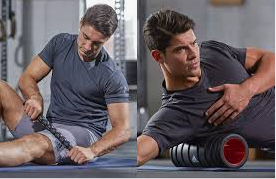
Muscle tightness, post-workout soreness, and stubborn knots are common whether you’re an athlete, a gym enthusiast, or someone sitting long hours at a desk. Self-massage tools have become increasingly popular because they’re affordable, effective, and easy to use at home. Among the most popular options are massage sticks and foam rollers.
But which one should you buy? And where do massage balls fit into your recovery routine?
In this detailed guide, we’ll break down the differences, benefits, and ideal use cases so you can choose the right tool for your needs.
What Is a Massage Stick?
A massage stick is a handheld recovery tool with rolling spindles attached to a central rod. You grip the handles and roll it over your muscles to apply pressure.
Benefits of Massage Sticks
1. Controlled Pressure
One of the biggest advantages of massage sticks is control. You decide how much pressure to apply, making them beginner-friendly and ideal for people who prefer moderate intensity.
2. Targeted Muscle Relief
Massage sticks are excellent for smaller or hard-to-reach muscle groups, including:
- Calves
- Hamstrings
- Quadriceps
- Forearms
- Shins
Because you control the angle and pressure, they’re great for isolating tight areas.
3. Portable and Convenient
Unlike foam rollers, massage sticks are compact and lightweight. You can easily carry them in your gym bag or use them at work without lying on the floor.
4. Less Intimidating for Beginners
Foam rollers can sometimes feel intense because they rely on body weight. Massage sticks allow you to ease into muscle recovery gradually.
What Is a Foam Roller?
A foam roller is a cylindrical tube made of high-density foam. You place it on the floor and roll your body over it, using your body weight to apply pressure to muscles.
Benefits of Foam Rollers
1. Great for Large Muscle Groups
Foam rollers are ideal for covering broad areas quickly, such as:
- Glutes
- IT band
- Lower and upper back
- Quadriceps
If you experience overall tightness, a foam roller can efficiently address multiple muscle groups in one session.
2. Deep Tissue Pressure
Because foam rollers use body weight, they can provide deeper pressure compared to massage sticks. This can be helpful for experienced athletes dealing with significant muscle tightness.
3. Improves Mobility and Flexibility
Regular foam rolling may help improve range of motion by reducing muscle stiffness and improving blood circulation.
4. Effective for Warm-Up and Cool-Down
Foam rollers are commonly used before workouts to activate muscles and after workouts to reduce soreness.
Massage Stick vs Foam Roller: Key Differences
Here’s a clear comparison to help you decide:
Pressure Control
- Massage Stick: Fully adjustable and controlled by your hands.
- Foam Roller: Depends on your body weight and positioning.
Portability
- Massage Stick: Highly portable and easy to store.
- Foam Roller: Bulkier and requires floor space.
Best For
- Massage Stick: Smaller muscle groups and targeted relief.
- Foam Roller: Larger muscle groups and full-body recovery.
Intensity
- Massage Stick: Moderate and customizable.
- Foam Roller: Can be intense, especially for beginners.
Where Do Massage Balls Fit In?
While comparing massage sticks and foam rollers, it’s important to mention massage balls.
Massage balls are small, firm balls used for deep, pinpoint pressure. They’re particularly useful for:
- Shoulder knots
- Upper back trigger points
- Glutes and piriformis
- Feet (especially plantar fascia)
If foam rollers provide broad coverage and massage sticks offer controlled targeting, massage balls deliver very focused, deep trigger point therapy.
Many people use massage balls alongside their main recovery tool to address stubborn knots that other tools can’t fully reach.
When Should You Choose a Massage Stick?
A massage stick might be the better choice if:
- You want precise control over pressure.
- You’re new to self-massage.
- You need something portable.
- You want to treat calves, arms, or smaller muscle groups.
- You prefer not to lie on the floor.
Massage sticks are especially popular among runners, cyclists, and office workers who need quick muscle relief during the day.
When Should You Choose a Foam Roller?
A foam roller may be ideal if:
- You train intensely and experience overall muscle soreness.
- You want deep tissue pressure.
- You’re focused on lower body or back recovery.
- You want to improve flexibility and mobility.
- You’re comfortable using body weight for intensity.
Athletes and strength trainers often prefer foam rollers because they efficiently target large muscle groups.
Can You Use Both?
Yes — and many people do.
A common recovery strategy looks like this:
- Start with a foam roller to loosen large muscle groups.
- Use massage sticks for more targeted work.
- Finish with massage balls for deep trigger points.
This layered approach creates a well-rounded muscle recovery routine.
Which One Is More Effective?
There isn’t a universally “better” option. Effectiveness depends on your goals.
- If you want precision and convenience, massage sticks are ideal.
- If you want broad, deep muscle release, a foam roller is better.
- If you struggle with stubborn knots, massage balls can complement either tool.
Your training style, pain tolerance, and recovery needs should guide your decision.
Final Verdict: What Should You Buy?
If you’re purchasing your first recovery tool, here’s a simple breakdown:
- Beginner or casual fitness enthusiast? Start with massage sticks.
- Heavy training and frequent soreness? Choose a foam roller.
- Chronic tight spots? Add massage balls to your routine.
All three tools support muscle recovery, improve circulation, and reduce stiffness when used consistently.
Instead of thinking in terms of “which is better,” think about what problem you’re trying to solve. Whether it’s full-body tightness, targeted muscle soreness, or deep trigger points, the right tool will depend on your specific needs.
In many cases, building a simple recovery toolkit that includes massage sticks, a foam roller, and massage balls can provide the most complete solution for long-term muscle health.