
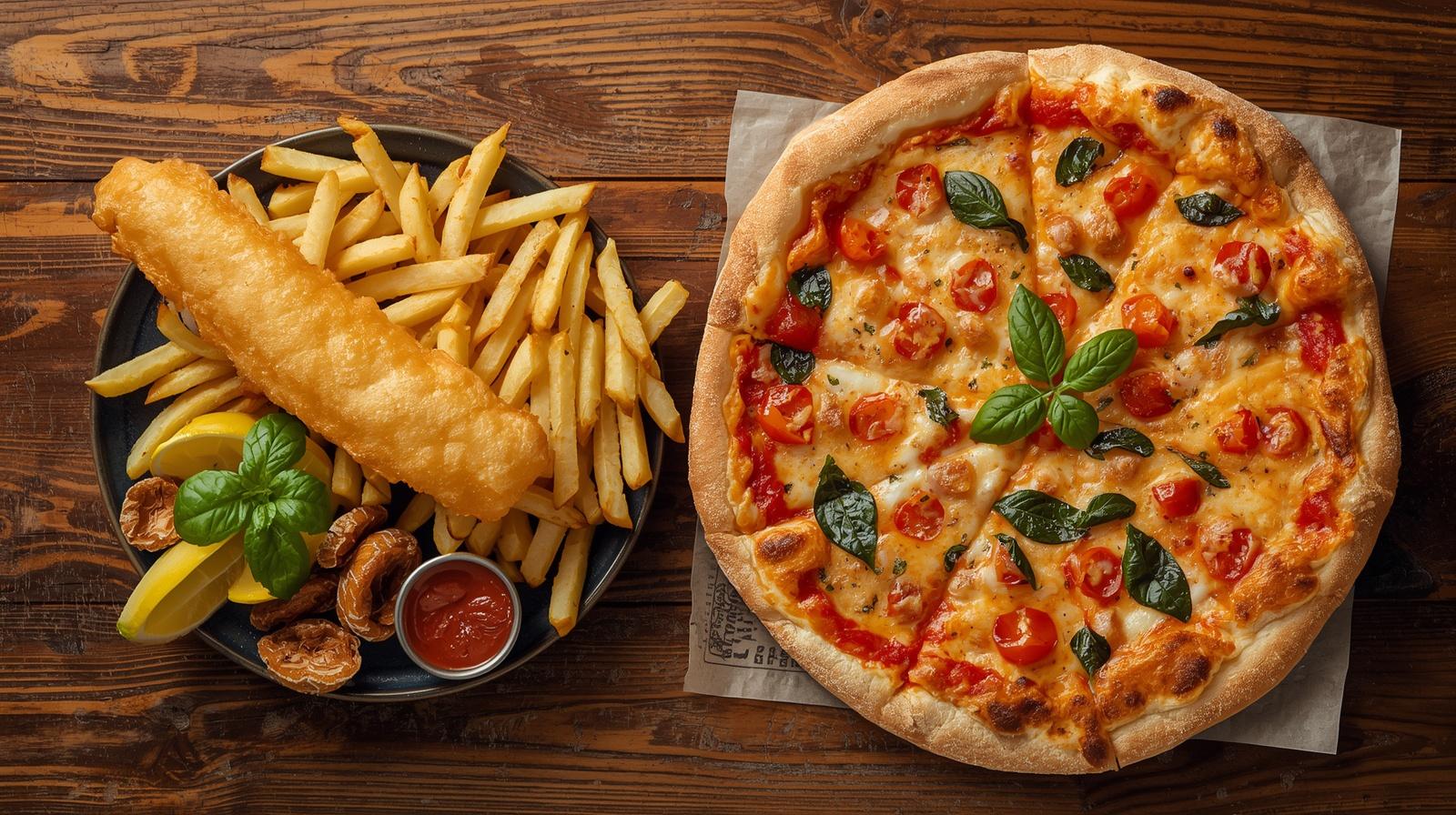
Bristol remains one of the UK’s most active cities for independent food businesses. The city has a strong culture of local ownership, and many residents prefer independent takeaway shops over national chains. That attitude creates space for new operators who can offer consistent food at fair prices.
Student demand plays a large role in Bristol’s food economy. The University of Bristol and the University of the West of England together bring tens of thousands of students into the city every year. Students order takeaway food frequently, especially during evenings and weekends. Affordable meals that travel well during delivery tend to perform best.
Neighbourhood character also matters. Gloucester Road, for example, is known for independent shops and casual dining. Bedminster attracts young professionals and creative workers. Clifton draws tourists and higher-income residents. Each area supports takeaway businesses, but the pricing and style often differ.
Delivery apps have changed how small food shops operate. Deliveroo, Uber Eats, and Just Eat allow a single takeaway shop to reach customers across several neighbourhoods. A pizza shop in Stokes Croft might receive orders from Redland, Bishopston, and even parts of Clifton. Fish and chip shops also benefit from delivery platforms, though the food must travel carefully to maintain quality.
Rising commercial rents have forced many small operators to focus on simple menus and efficient kitchens. Businesses that can produce food quickly with limited staff tend to survive longer. Both pizza shops and fish and chip shops fit this model, though their costs and operational requirements differ.
Bristol’s nightlife also supports takeaway food. Pubs and bars remain busy throughout the week, particularly in areas such as Harbourside and Stokes Croft. Late-night food demand often drives additional revenue for takeaway businesses that stay open past midnight.
For entrepreneurs considering a food business, Bristol still offers opportunity. The key question is not whether takeaway food sells, but which type of food business matches the city’s demand patterns and cost structure today.
The Fish and Chips Legacy – Bristol’s Classic That Still Draws Crowds
Fish and chips has deep roots in British culture. The meal combines battered fish, fried potatoes, and simple sides such as mushy peas or curry sauce. Despite changing food trends, the dish remains widely recognised and trusted.
Several Bristol shops illustrate how the traditional model still works. Bishopston Fish Bar on Gloucester Road attracts steady evening crowds. Salt & Malt operates in Clifton and at Wapping Wharf, offering higher-quality seafood in a modern setting. Clifton Village Fish Bar serves both locals and tourists looking for a classic British takeaway meal.
Customers often associate fish and chips with reliability. Families order it as a Friday meal. Visitors treat it as a British staple. Older residents remain loyal to established chippies they have visited for years.
The operational model for a fish and chip shop centres on frying equipment. The shop requires commercial fryers, oil filtration systems, and strong ventilation. Fresh fish deliveries arrive daily or several times per week. Cod and haddock remain the most common options, though some shops also serve hake or pollock.
Speed defines the service model. Staff prepare chips in batches, fry fish to order, and serve customers quickly. Peak demand usually occurs between 5pm and 8pm. The business must manage queues efficiently during those hours.
Ingredient costs create one of the largest challenges for fish and chip shops. The global price of cod has increased during the past decade. Supply depends on fishing quotas, fuel costs, and international markets. Cooking oil prices have also fluctuated in recent years.
These factors affect profit margins. When fish prices rise sharply, shop owners must either raise menu prices or accept lower margins. Customers expect fish and chips to remain affordable, which limits pricing flexibility.
Despite those pressures, fish and chips still attract loyal customers. The meal carries cultural familiarity that few other takeaway foods can match. That familiarity keeps many traditional shops busy even during periods of economic uncertainty.
The Pizza Boom – How Bristol Became a Hotspot for Independent Pizzerias
Pizza has grown rapidly across Bristol during the past decade. Independent pizzerias now appear in several neighbourhoods, often combining takeaway service with casual dining.
Pizzarova provides a strong example. The company started as a street food stall and expanded into several Bristol locations. Its success shows how a simple menu built around quality ingredients can attract regular customers.
Flour & Ash offers another model. The restaurant focuses on Neapolitan-style pizza baked in high-temperature ovens. Customers often pair pizza with craft beer or cocktails, creating a social dining environment rather than a simple takeaway purchase.
Bertha’s Pizza at Wapping Wharf also demonstrates the appeal of artisan pizza. The restaurant uses wood-fired ovens and locally sourced ingredients. Many customers visit specifically for its reputation.
Pizza adapts well to modern delivery patterns. The food travels easily in boxes and maintains quality during transport. Delivery drivers can carry multiple orders at once, increasing efficiency.
Menu variety also strengthens pizza businesses. Operators can offer vegetarian toppings, vegan cheese, or gluten-free bases. These options help shops attract a wider audience.
Branding and marketing play a larger role in pizza than in traditional fish and chip shops. Social media posts featuring fresh dough, colourful toppings, or wood-fired ovens can attract attention quickly. Instagram and TikTok have helped several Bristol pizzerias build strong followings.
The business model also allows creative variations. Some shops sell whole pizzas only, while others offer slices for quick takeaway. Dark kitchens producing pizza for delivery alone have also appeared in the city.
Pizza’s connection with nightlife adds another advantage. Groups leaving pubs often order pizza late at night. A shop open until midnight or later can generate substantial revenue from these hours.
These factors have made pizza one of the most popular independent food concepts in Bristol today.
The Numbers Behind the Counter – Startup Costs and Operational Realities
Starting a takeaway food business requires careful planning and realistic budgeting. Equipment, rent, staff wages, and ingredient costs all shape profitability.
A fish and chip shop usually requires several large commercial fryers. Each fryer can cost several thousand pounds. The kitchen must also include oil filtration systems and strong extraction ventilation. Fish preparation areas require refrigeration and hygienic work surfaces.
A pizza shop requires a different type of equipment. The centrepiece is the oven. Wood-fired ovens can cost tens of thousands of pounds including installation. Gas or electric deck ovens cost less but still require professional setup.
Dough preparation equipment also adds expense. Pizza shops often need mixers, proofing trays, refrigeration units, and dough storage space.
Ingredient cost structures differ significantly between the two businesses. Fish prices fluctuate with global seafood markets. Cod and haddock prices can change quickly due to supply shortages or fishing restrictions.
Pizza ingredients tend to remain more stable. Flour, tomatoes, and cheese still fluctuate in price, but the variation is usually smaller than seafood price swings.
Labour needs also vary. A fish and chip shop often requires several staff members during peak hours to manage frying, order preparation, and customer service. A pizza kitchen may operate with fewer staff if the menu remains simple.
Space requirements also influence startup costs. Fish frying produces strong smells and requires powerful ventilation systems. Some landlords restrict this type of business due to extraction requirements.
Pizza ovens also require ventilation but often face fewer restrictions. Many pizza shops combine indoor seating with outdoor areas. During warmer months, a small terrace with commercial outdoor furniture can attract customers who prefer casual dining rather than takeaway.
Startup costs in Bristol vary widely depending on location. A small takeaway in Bedminster might require £80,000 to £120,000 to open. A larger pizza restaurant in Clifton could exceed £250,000 due to higher rent and interior design costs.
Entrepreneurs must also consider licensing, food safety certification, insurance, and initial marketing expenses. These costs add several thousand pounds before the shop opens.
Understanding these financial differences helps determine which concept fits a particular budget and location.
Customer Behaviour – What Bristol Actually Orders Today
Customer behaviour determines whether a food business succeeds. Understanding how residents choose meals provides valuable insight for new operators.
Students remain one of the largest takeaway audiences in Bristol. Affordable meals delivered quickly to student housing often perform well. Pizza fits this pattern because groups can share several pizzas at once.
Fish and chips also attracts students, though it tends to be ordered less frequently in large groups. Individual portions make it better suited to single customers or families.
Weekend nightlife generates another type of demand. After pubs close, people often seek filling food that can be eaten quickly. Pizza slices and whole pizzas often dominate these late-night orders.
Fish and chips still attract evening customers, particularly earlier in the night. Many families pick up fish and chips on their way home from work or school activities.
Dietary preferences also influence ordering patterns. Vegetarian and vegan diets have grown in Bristol. Pizza shops often adapt quickly by offering plant-based toppings and vegan cheese. Some fish and chip shops have responded by adding battered halloumi or vegan fish alternatives.
Tourism adds another layer of demand. Visitors walking through Clifton, the Harbourside, or the city centre often search for classic British food. Fish and chips remains one of the most recognisable options for tourists.
Weather also influences ordering patterns. Cold evenings often increase demand for fried comfort food. Warm summer nights tend to favour pizza eaten outdoors or delivered to parks and riverfront areas.
Delivery platform data also shows that customers prefer foods that maintain quality during transport. Pizza performs strongly in this category. Fish and chips can lose crispness if packaging traps steam, though experienced operators manage this with proper packaging techniques.
Understanding these behavioural patterns helps entrepreneurs choose the concept that fits their target customers.
The Decision Framework – Choosing the Right Food Business for Bristol Today
Choosing between pizza and fish and chips depends on several factors. Location, startup budget, target customers, and operational preference all influence the final decision.
Fish and chip shops remain strong in residential neighbourhoods with established local communities. Areas with older residents often support traditional takeaway meals. A well-run chippy with consistent quality can build loyal customers who return every week.
Pizza businesses often perform best in mixed neighbourhoods with students, young professionals, and nightlife. Areas near bars or entertainment venues generate strong late-night demand for pizza.
Startup budget also shapes the choice. Entrepreneurs with smaller budgets sometimes choose fish and chips because the menu remains simple. However, rising fish prices create financial risk that must be managed carefully.
Pizza businesses offer more menu variety. Operators can add side dishes, salads, or desserts without major equipment changes. That variety can increase average order value.
Marketing potential also differs. Pizza brands often build strong identities through social media and creative menus. Fish and chip shops rely more heavily on reputation and local word-of-mouth.
Long-term food trends also matter. Pizza continues to evolve with new toppings, dietary options, and presentation styles. Fish and chips remain traditional, which appeals to loyal customers but offers fewer opportunities for menu innovation.
Entrepreneurs should evaluate neighbourhood demographics carefully before choosing a concept. A pizza shop near universities may perform strongly, while a fish and chip shop in a family-oriented suburb may achieve steady weekly sales.
Both business models can succeed in Bristol. The decision ultimately depends on the operator’s budget, the chosen location, and the type of customers they want to serve.
Opening a food business always carries risk, but Bristol’s active independent food culture still provides opportunities for well-planned takeaway shops. Entrepreneurs who study the city’s neighbourhoods, demand patterns, and cost structures stand the best chance of building a profitable operation.