
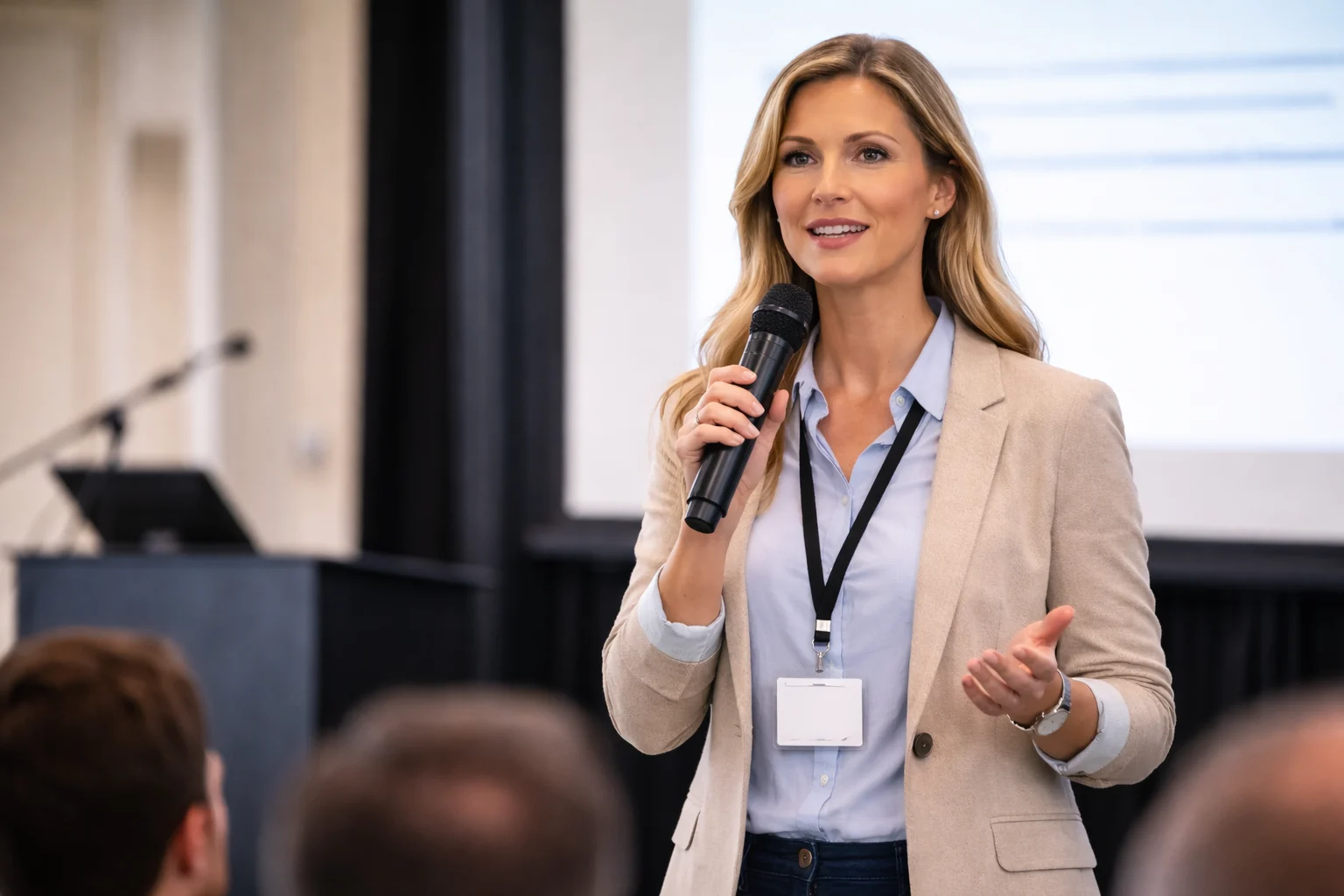
Gráinne Hayes is a name that increasingly appears in conversations about exercise physiology, physical activity research, and modern health science. As interest grows around researchers who study how movement, sedentary behavior, and daily habits affect long-term well-being, her work stands out for its practical relevance and academic depth. In 2026, readers searching for Gráinne Hayes are often looking for a clear picture of her professional background, research direction, and the reason her name carries weight in this field.
What makes her profile especially interesting is the way it connects science with everyday life. Topics such as physical activity, sleep, standing time, and cardiometabolic health are no longer seen as niche academic subjects. They now shape public discussions about wellness, prevention, and healthier lifestyles across different age groups. That wider relevance has made scholars in this area more visible, and Gráinne Hayes is one of the names drawing attention for her contribution to this growing body of work.
Her academic journey also reflects the path of a dedicated specialist who has built experience through research, teaching, and university-level involvement. Rather than being known for a public persona or media presence, she is recognized for steady professional work in sport, exercise, and health-related education. That gives her profile a strong foundation and makes her a meaningful subject for readers who want more than a surface-level biography.
This article takes a closer look at Gráinne Hayes, including her academic background, her development in exercise physiology, and the research interests that define her work. It also explores why her name continues to attract attention and how her contribution fits into the wider conversation about health, movement, and evidence-based science.
Table of Contents
Gráinne Hayes and Her Growing Academic Profile
Gráinne Hayes has developed a professional identity that reflects both academic focus and real-world relevance. Her profile has gained attention because it sits at the intersection of exercise science, health research, and university teaching. For readers who come across her name, the interest often begins with a simple question about who she is, but it quickly expands into curiosity about the kind of work she does and why it matters.
What makes her academic profile stand out is its connection to subjects that affect people every day. Exercise physiology is not limited to athletes or laboratory studies. It also helps explain how movement, inactivity, rest, and lifestyle patterns shape overall health across childhood, adulthood, and later life. A researcher working in this space naturally draws interest because the field itself has become more important in recent years.
Her growing recognition also reflects a steady career path rather than sudden public attention. Instead of being defined by media appearances or personal publicity, she appears to be known through education, research, and professional contribution. That kind of profile often carries lasting value because it is built on expertise and consistent work over time.
In a digital environment where many names gain attention for short-term reasons, Gráinne Hayes represents a more substantial kind of visibility. People search for her because they want to understand her academic role, her subject expertise, and the broader significance of her work. That growing interest suggests that her profile is becoming more relevant to students, researchers, and readers who follow developments in health and exercise science.
Also Read : What Should I Do If a Moving Company Shows Up Late?
Early Education and Interest in Sport Science
The foundation of Gráinne Hayes’s career can be traced back to her early interest in sport and exercise science, a field that blends biology, movement, and health. Like many professionals in exercise physiology, her path likely began with a curiosity about how the human body responds to physical activity and how those responses can be measured, improved, and applied in real-life settings.
Her academic training in sport and exercise science would have introduced her to key areas such as human anatomy, physiology, biomechanics, and performance analysis. These subjects form the backbone of understanding how the body moves, adapts, and maintains health. Over time, this foundational knowledge often leads students to specialize further, particularly in areas that connect physical activity with long-term health outcomes.
What sets this stage apart is the shift from general study to focused interest. Instead of viewing exercise purely in terms of performance or fitness, the field increasingly explores how everyday behaviors—such as sitting, standing, walking, and sleeping—affect overall well-being. This broader perspective has become more important in recent years, especially as modern lifestyles include more sedentary habits.
For Gráinne Hayes, this early academic phase likely played a key role in shaping her direction toward exercise physiology. It provided the tools and scientific understanding needed to explore how activity patterns influence health across different populations. That transition from student to specialist is what lays the groundwork for a meaningful and impactful career in this discipline.
Also Read : Are Your Credit Card “Perks” Actually Tricking You Into Spending More
Building a Career in Exercise Physiology
Gráinne Hayes gradually built her career by moving from academic study into hands-on roles within the field of exercise physiology. This transition is an important stage for any researcher, as it allows theoretical knowledge to be applied in real research settings. Early career positions often involve assisting with projects, managing data, and contributing to studies that explore how physical activity impacts health outcomes.
As her experience grew, so did her involvement in more complex research and academic responsibilities. Working within a university environment typically means balancing multiple roles, including research support, teaching assistance, and project coordination. These roles help develop both scientific expertise and practical skills, such as analyzing data, designing studies, and communicating findings clearly.
Over time, this progression leads to more independent work. Advancing in exercise physiology requires not only strong subject knowledge but also the ability to contribute original ideas to the field. This often includes focusing on specific areas of interest, developing research questions, and working on long-term projects that address gaps in current knowledge.
By the time she reached a more established academic position, Gráinne Hayes had already built a solid foundation through years of consistent work and involvement in research environments. Her career path reflects a steady and structured progression, where each stage adds depth to her expertise. This type of development is typical of professionals who aim to make lasting contributions to health science rather than seeking short-term recognition.
Also Read : What Should I Do If a Moving Company Shows Up Late?
Research Areas That Define Her Work
A key part of understanding Gráinne Hayes is looking at the research areas that shape her work in exercise physiology. Her focus centers on how everyday movement and inactivity influence health outcomes, particularly in relation to cardiometabolic well-being. This includes studying not just exercise in the traditional sense, but the full spectrum of daily behaviors such as sitting, standing, light movement, and more structured physical activity.
One important theme in her research is the concept of activity patterns across the day. Instead of viewing exercise as a single event, this approach examines how different types of movement and rest interact over time. For example, long periods of sitting combined with short bursts of activity may affect the body differently than consistent, moderate movement throughout the day. Understanding these patterns helps researchers build a more complete picture of how lifestyle impacts health.
Another area of interest involves how physical activity is measured and evaluated. Accurate measurement is essential in exercise science, as it allows researchers to compare results, identify trends, and draw meaningful conclusions. This can involve wearable devices, observational methods, and data analysis techniques that track behavior in real-life environments rather than controlled lab settings.
Her work also connects closely with the idea of prevention. By examining how activity and inactivity influence factors like heart health, metabolism, and overall fitness, this research contributes to strategies aimed at reducing long-term health risks. This makes the field especially relevant today, as more attention is being placed on preventing health issues through lifestyle changes rather than treating them after they develop.
Together, these research areas highlight a broader shift in exercise physiology. The focus is no longer only on performance or athletic training, but on understanding how everyday habits shape health across different stages of life. This is where Gráinne Hayes’s work fits in, offering insights that can be applied both in academic settings and in practical health discussions.
Also Read : Pizza or Fish and Chips in Bristol – Which Food Business Makes More Sense Today
Why Gráinne Hayes Stands Out in Health and Activity Research
Gráinne Hayes stands out in health and activity research because her work reflects a balance between detailed scientific study and real-world application. In a field that can often become highly technical, her focus on everyday behaviors makes the subject easier to understand and more relevant to a wider audience. This ability to connect research with daily life is one of the reasons her profile continues to gain attention.
Another factor that sets her apart is the way her research considers multiple elements of human behavior together. Instead of isolating exercise alone, her approach looks at how sleep, sedentary time, and different levels of activity combine to influence overall health. This broader perspective is increasingly important, as modern lifestyles involve a mix of movement and inactivity that cannot be understood through a single lens.
Her work also reflects a growing shift toward evidence-based health strategies. Rather than relying on general advice, research in this area aims to provide measurable insights that can guide better decisions. This includes identifying patterns, testing methods of measurement, and exploring how small changes in daily habits can lead to meaningful improvements in health outcomes.
In addition, her role within an academic environment adds another layer to her impact. Being involved in teaching and mentoring allows her to share knowledge with students who will go on to work in health, fitness, and research fields. This creates a ripple effect, where her influence extends beyond her own studies and contributes to the development of future professionals.
Overall, what makes Gráinne Hayes stand out is not just her subject expertise, but the way her work aligns with current health priorities. As more people look for practical, research-backed ways to improve their well-being, professionals in this field become increasingly important. Her contribution fits directly into that evolving landscape.
Also Read : Groomed to Perfection: Top Hairstyles for Every Groom
Teaching, Mentorship, and University Contribution
Beyond research, Gráinne Hayes plays an important role in education, where teaching and mentorship form a central part of her professional work. In a university setting, this involves guiding students through complex topics in exercise physiology while helping them develop a strong understanding of how theory connects to real-life health and performance.
Teaching in this field goes beyond lectures and textbooks. It often includes practical learning, data analysis, and critical thinking exercises that encourage students to question, explore, and apply what they learn. This kind of environment helps students build confidence in interpreting scientific information, which is essential for careers in health, sport, and research.
Mentorship is another key aspect of her contribution. Supporting students at different stages of their academic journey means helping them refine their interests, develop research skills, and navigate the challenges of higher education. For many students, this guidance can shape the direction of their future careers and influence how they approach their work in the field.
Her involvement at the university level also contributes to the broader academic community. This can include collaborating with colleagues, participating in research projects, and contributing to curriculum development. These activities ensure that teaching remains aligned with current knowledge and evolving trends in exercise science.
Through these combined efforts, Gráinne Hayes contributes not only as a researcher but also as an educator who helps shape the next generation of professionals. This dual role strengthens her overall impact, as it connects academic research with learning and professional development in a meaningful way.
Also Read : Scaling Exam Supervision Without Expanding Staff
The Importance of Her Work in Modern Health Science
The work of Gráinne Hayes is especially relevant in today’s health landscape, where lifestyle-related conditions continue to rise and prevention has become a major focus. Exercise physiology now plays a key role in understanding how daily habits influence long-term health, and her research aligns closely with this shift toward proactive well-being.
Modern health science no longer looks at exercise as an isolated activity. Instead, it considers how movement, inactivity, and rest combine throughout the day to affect the body. This broader approach helps identify patterns that may contribute to issues such as poor cardiovascular health, metabolic imbalance, and reduced overall fitness. Research in this area provides valuable insights that can guide both individuals and health professionals in making informed decisions.
Another important aspect is the growing reliance on data-driven approaches. Health recommendations today are increasingly based on measurable evidence rather than general advice. By studying activity behaviors and improving how they are tracked and analyzed, researchers contribute to more accurate and personalized health strategies. This makes the findings more practical and easier to apply in everyday life.
Her work also supports the idea that small, consistent changes can have a meaningful impact. Encouraging regular movement, reducing prolonged sitting, and understanding the balance between activity and rest are all part of a more sustainable approach to health. These insights are particularly important in a world where many people spend long hours in sedentary environments.
In this context, the contribution of Gráinne Hayes fits into a larger movement toward improving public health through awareness, research, and education. As more attention is placed on prevention and lifestyle management, the importance of this field—and the researchers within it—continues to grow.
Why People Search for Gráinne Hayes in 2026
Interest in Gráinne Hayes continues to grow in 2026 as more people look for experts connected to health, movement, and evidence-based research. Searches for her name often come from students, researchers, and readers who want to understand her role in exercise physiology and the kind of work she contributes to this field.
One reason for this increasing curiosity is the wider attention on lifestyle and health science. Topics such as physical activity, sedentary behavior, and long-term wellness are now part of everyday conversations. As a result, individuals working in these areas naturally become more visible, especially when their work connects directly to real-world health concerns.
Another factor is academic interest. Students exploring sport science or health-related degrees often look up lecturers and researchers to learn more about their background, teaching areas, and research focus. This type of search is usually driven by a desire to gain deeper insight into the field and identify influential figures within it.
There is also a growing trend of people searching for professionals to better understand the science behind common health advice. Instead of relying on general information, readers want to know who is behind the research and what their expertise involves. This shift has made academic profiles more relevant to a broader audience beyond universities.
Overall, the search interest around Gráinne Hayes reflects a larger pattern. People are becoming more curious about the individuals shaping modern health knowledge, and her name appears as part of that evolving interest.
Final Thoughts on Gráinne Hayes
Gráinne Hayes represents a modern academic profile built on consistent work, focused research, and meaningful contribution to health science. Rather than gaining attention through public exposure, her recognition comes from her involvement in exercise physiology, teaching, and research that connects directly to real-life health concerns.
Her journey highlights the value of specialization in a field that continues to grow in importance. As more people look for ways to improve their lifestyle through informed choices, the role of researchers studying physical activity and behavior becomes increasingly relevant. This is where her work fits naturally, contributing to a better understanding of how everyday habits shape long-term well-being.
Another important aspect of her profile is the balance between research and education. By working within a university environment, she not only contributes to academic knowledge but also helps guide students who will carry this knowledge forward into their own careers. That dual role strengthens her overall impact and ensures that her influence extends beyond her individual work.
In 2026, interest in professionals like Gráinne Hayes reflects a broader shift toward valuing evidence-based health information. People are paying closer attention to the science behind movement, rest, and lifestyle, and they are seeking out the experts behind that knowledge.
Overall, her profile stands as an example of how academic dedication and practical relevance can come together. For anyone exploring exercise science or looking to understand the people behind modern health research, Gráinne Hayes remains a name worth knowing.